
Top 5 Insurance Needs For Small Businesses
Protecting small businesses involves liability, property, and workers' compensation insurance. Cyber threats and business interruption are crucial too.
Starting a small business is an exciting adventure! But as any savvy entrepreneur knows, it doesn’t come without its risks. One of the best ways to protect yourself, your assets, and your future is by securing the right types of Business Insurance. This blog post dives into the top five insurance needs for small businesses, ensuring you're prepared for whatever challenges come your way.
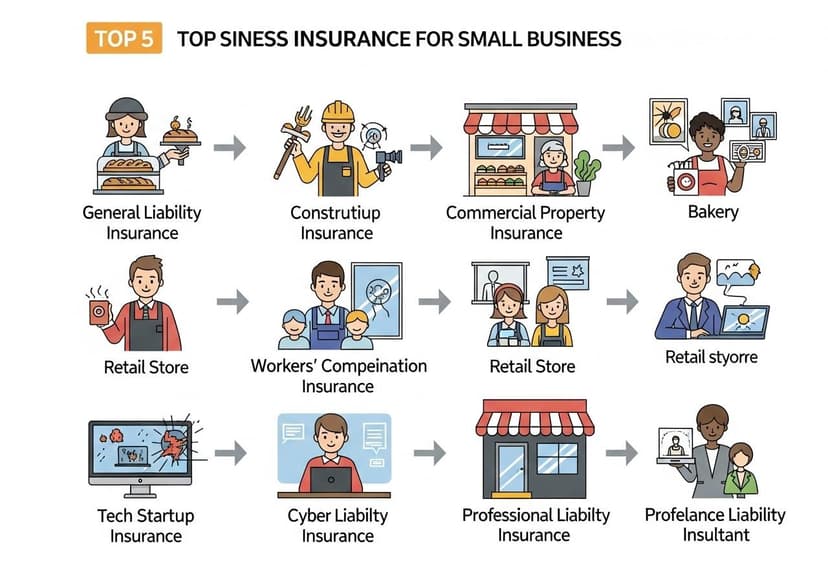
1. General Liability Insurance
First on the list is General Liability Insurance. This type of insurance serves as a crucial safety net. It covers claims related to injuries, damages, or accidents that could occur at your business premises or as a result of your products. Without this coverage, a single lawsuit could potentially drain your resources.
Whether someone slips and falls on your property or claims that your service caused them harm, general liability insurance ensures that you can handle these situations without crippling your finances. Remember, in the world of business, it’s always better to be safe than sorry!
2. Commercial Property Insurance
Next up is Commercial Property Insurance. If your business owns or leases a physical space, this insurance is indispensable. It protects your building and the assets within it from unexpected events like fire, theft, or vandalism. Think of it as a fortress for your business assets.
Even if you operate online or work out of a home office, consider getting this coverage. It will give you peace of mind knowing that your equipment and inventory are protected. For more insight, check out resources from the Covered California for small business insurance options.
3. Workers' Compensation Insurance
As a business owner, the safety of your employees is paramount. That’s why Workers' Compensation Insurance should be on your radar. This insurance provides benefits to employees who may suffer work-related injuries or illnesses, covering medical expenses and disability costs.
Even in a well-organized workspace, accidents can happen. Workers' compensation not only ensures the well-being of your team but also protects you from potential lawsuits. Plus, it’s often a legal requirement in many states, making it essential for your business operations.
4. Professional Liability Insurance
If your business provides professional services or advice, Professional Liability Insurance—also known as Errors and Omissions Insurance—is a must. This insurance protects you from claims arising due to negligence, mistakes, or failure to deliver promised services.
In today’s competitive landscape, it’s essential to safeguard your reputation. Clients can be quick to file lawsuits if their expectations aren’t met. This coverage helps you manage those risks and maintain your business’s integrity even in tough situations.
5. Cyber Liability Insurance
In an increasingly digital world, Cyber Liability Insurance has become vital, especially for businesses that store sensitive customer data online. With the rise of cyberattacks, this insurance can protect you from data breaches and other cyber-related incidents.
Cyber liability insurance typically covers the costs associated with data breaches, including notification costs, credit monitoring, and legal fees. Protecting your clients’ sensitive information not only preserves their trust but also helps shield your business from dire financial consequences.
Additional Coverage Options to Consider
While the five mentioned above are crucial, there are several other types of insurance that small businesses should consider to create a robust insurance portfolio:
Business Interruption Insurance is crucial for covering lost income during unexpected shutdowns. Should a fire or disaster force you to pause operations, this coverage can help you stay afloat.
Directors and Officers Insurance protects the personal assets of your business's leaders. If they face legal action or claims related to their decisions, this coverage can be a lifesaver.
If your business uses vehicles for operations, Commercial Auto Insurance is necessary to protect your business cars against accidents or damages.
Umbrella Insurance provides additional liability coverage beyond your other policies, offering extra protection and peace of mind.
Lastly, let’s talk about Surety Bonds. These are often overlooked but play an essential role in gaining credibility with clients and ensuring contractual obligations are met. Surety bonds protect your clients and guarantee that you’ll complete projects as agreed upon. Many clients feel more secure knowing that a surety bond backs you.
Get Started with Your Insurance Journey
Insurance needs can vary wildly depending on your specific business and industry, so it’s essential to work with a reputable insurance professional who can guide you through the maze of options. For more information on business insurance, visit the SBA's guide on business insurance.
In conclusion, ensuring you have the right insurance in place can be one of the smartest investments you make for your small business. It’s not just about protecting your assets; it’s about securing your business’s future, allowing you to focus on growth and success in an unpredictable world.
For further information, consider checking out the resources available at the Colorado Department of Insurance.
Related Posts

11 States Offering Free Solar Panels
Homeowners in eleven states can now get free solar panels, reducing energy costs and promoting sustainability.
Asset Maintenance Management
Asset inventory tools streamline tracking, improving equipment lifecycle oversight and enhancing maintenance planning for optimized resource allocation.

Boosting Employee Engagement With Evaluation Software
The software improves employee performance through feedback, goal tracking, and development, ultimately enhancing workplace satisfaction and productivity.