
Asset Maintenance Management
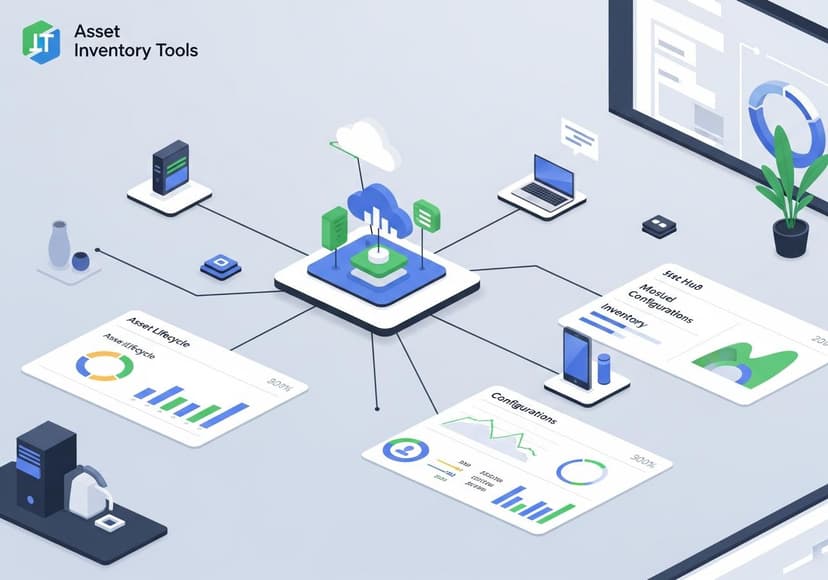
Asset inventory tools streamline tracking, improving equipment lifecycle oversight and enhancing maintenance planning for optimized resource allocation.
The Importance of Asset Lifecycle Management
Asset Lifecycle Management (ALM) is crucial for organizations aiming to optimize the use of their assets. From acquisition to disposal, effectively managing the lifecycle of an asset not only enhances performance but also ensures sustainability. With a well-structured ALM strategy, businesses can minimize costs while maximizing value. This involves the integration of various systems and processes, including Asset Inventory Software and Hardware Inventory systems which keep track of what assets are available.
Asset Inventory Software: The Backbone of Management
An integral part of ALM is having comprehensive Asset Inventory Software. This software helps companies maintain a detailed inventory of all their assets. It allows organizations to monitor the items they possess, from physical hardware to software licenses. With the help of an Asset Tracking System, teams can stay informed about asset conditions, ensuring they make timely decisions regarding maintenance and upgrades.
It Asset Management: Navigating the Digital Landscape
As technology becomes more embedded in daily operations, IT Asset Management has emerged as a critical component of ALM. This aspect focuses on managing hardware and software inventory, enabling companies to optimize their IT resources. By incorporating tools like Software Asset Management and Mobile Device Management, organizations can gain insights into software usage and compliance, helping them allocate resources effectively.
Configuration Management Database: A Strategic Asset
The Configuration Management Database (CMDB) serves as a centralized repository for managing IT assets. It is essential for businesses to have up-to-date information about their IT environment. A well-maintained CMDB provides visibility into how assets interconnect, which is crucial for troubleshooting and maintaining optimal operations. By using CMDB, teams can streamline their asset management processes and establish a strong foundation for effective maintenance practices.
Embracing Cloud Asset Management
In today's cloud-driven world, Cloud Asset Management has become increasingly vital. It enables businesses to manage their cloud-based resources effectively, which is an integral part of asset lifecycle management. By ensuring that all cloud assets are accounted for, organizations can optimize costs associated with unused or underutilized resources during the entire lifecycle of those assets. This includes implementing tasks like resource monitoring and analysis, identifying inefficiencies before they affect performance.
Data Center Infrastructure Management
Data Center Infrastructure Management (DCIM) is essential for organizations with significant on-premises infrastructure. This approach focuses on monitoring and managing data center assets, including servers, cooling systems, and power management. Coupled with a robust Network Inventory, organizations can enhance their operational efficiencies and improve planning for future infrastructure investments.
Fixed Asset Management: A Detailed Overview
Effective Fixed Asset Management ensures that physical assets are managed throughout their lifecycle. This entails tracking depreciation rates, managing repairs, and ensuring compliance with regulatory requirements. Investing in fixed asset management simplifies the complex task of asset tracking and reporting, allowing businesses to maintain their competitive edge. Employees benefit too, as they can rely on accurate data that inform better business decisions regarding asset utilization and maintenance.
Enhanced Asset Tracking with Modern Solutions
Asset tracking has become simpler and more efficient with the rise of advanced tracking technologies. Utilizing an Asset Tracking System allows companies to maintain real-time visibility over their assets. Whether it's through barcodes, RFID systems, or mobile applications, organizations can gain insights into asset locations and conditions. This level of tracking enhances productivity and ensures that equipment is always available when needed.
Integrating Multiple Asset Management Strategies
The integration of various asset management approaches is essential for comprehensive Asset Lifecycle Management. Combining IT Asset Management, Software Asset Management, and traditional Fixed Asset Management ensures that businesses maintain a 360-degree view of their asset landscape. With interconnected systems like Cloud Asset Management facilitating seamless data sharing, teams can make informed decisions and drive operational efficiencies.
Conclusion: The Future of Asset Maintenance Management
As organizations face the challenges of managing diverse assets, prioritizing Asset Lifecycle Management will empower them to adapt and thrive. By utilizing tools like asset inventory software, tracking systems, and maintenance management solutions, companies can ensure they are well-equipped for the future. Adapting to new technologies and methodologies will strengthen their position, allowing for smarter management and enhanced performance of their assets. For more information on maintaining an effective asset inventory, refer to resources provided by Microsoft.
Related Posts

11 States Offering Free Solar Panels
Homeowners in eleven states can now get free solar panels, reducing energy costs and promoting sustainability.

Boosting Employee Engagement With Evaluation Software
The software improves employee performance through feedback, goal tracking, and development, ultimately enhancing workplace satisfaction and productivity.

Building A Resilient Contact Center Strategies For Success
Contact Center Solutions 2023 focuses on strategies for success in a resilient customer service environment.