
The Role Of Management Tools In Improving Business Processes
Management tools streamline processes, enhancing efficiency and productivity, ultimately leading to improved business outcomes.
Introduction to Management Tools
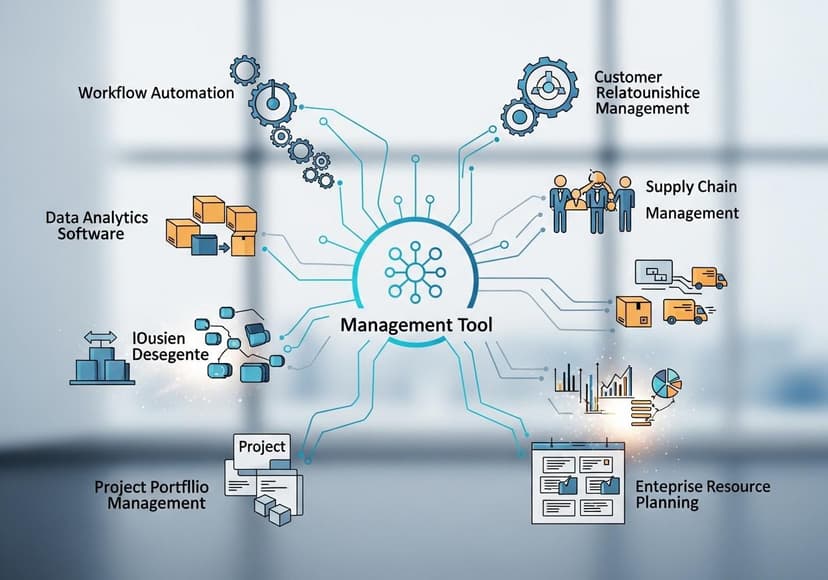
In today’s fast-paced business environment, companies are constantly looking for ways to improve their processes and enhance productivity. This is where management tools come into play. These tools help businesses efficiently manage their resources, tasks, and workforce. Whether it's business Process Management Software for streamlining operations or workflow Automation for reducing redundancies, the right tools can make a significant impact.
Understanding Business Process Management Software
At the heart of better business processes is effective business Process Management Software. It provides organizations with the framework to analyze, model, and improve their business processes. By identifying bottlenecks and inefficiencies, businesses can optimize workflows, leading to faster turnaround times and reduced costs. Take a look at this detailed guide on project management tools to see how BPM software can facilitate collaboration across teams.
Workflow Automation for Faster Execution
Workflow Automation is another pivotal management tool that aids in enhancing productivity. By automating repetitive tasks, businesses can free up valuable time and resources. This means that employees can focus on high-value activities that drive growth and innovation. Automation can also minimize human errors, ensuring that operations run smoothly and efficiently.
Project Portfolio Management
Managing multiple projects simultaneously can be daunting, but project Portfolio Management tools can help. These tools provide a comprehensive view of all ongoing projects, allowing stakeholders to prioritize and allocate resources effectively. By using these tools, businesses can enhance their decision-making and ensure that projects align with overall business goals.
The Importance of Enterprise Resource Planning
Enterprise Resource Planning (ERP) systems integrate various functions of a business into one complete system to streamline processes and information across the organization. By having a centralized database, companies can ensure all departments are on the same page, improve communication, and drive efficiency. Those looking to reduce operational costs and enhance productivity will find ERP tools indispensable.
Customer Relationship Management Tools
Understanding your customers is key to thriving in any industry. That’s where customer Relationship Management (CRM) tools come in. They help businesses manage interactions with current and prospective customers by collecting valuable data. CRMs provide insights into customer behaviors, preferences, and sales trends. Thanks to data-driven decisions supported by these tools, businesses can cultivate stronger customer relationships.
Streamlining Supply Chain Management
To ensure products reach customers promptly, businesses must effectively manage their supply chains. Supply Chain Management tools offer functionalities that track and manage inventory, orders, and suppliers. These tools can significantly enhance efficiency, enabling companies to respond quickly to market changes and customer demands, ultimately improving satisfaction.
Risk Management Software for Proactive Strategies
In today’s unpredictable business environment, having a robust risk management strategy is essential. Risk Management Software helps identify potential risks and develop appropriate strategies to mitigate them. By leveraging these tools, organizations can enhance their operational resilience and ensure business continuity, no matter the challenges they face.
Implementing a Performance Management System
A well-structured performance Management System can help businesses set goals, monitor progress, and evaluate employee performance effectively. These systems provide regular feedback to employees, fostering a culture of continuous improvement. By using performance management tools, organizations can align individual goals with company objectives, enhancing overall productivity.
Quality Management Systems for Excellence
Your product's quality can make or break your business. That's where a solid quality Management System comes into play. These systems help maintain consistent quality in products and services, ensuring customer satisfaction and fostering loyalty. By implementing a quality management system, businesses can not only meet regulatory requirements but also enhance their reputation in the market.
Enhancing IT Operations with IT Service Management
For tech-centric businesses, IT Service Management (ITSM) is crucial for ensuring smooth operations. ITSM tools simplify the management of IT services, aligning them with the needs of the business. By optimizing IT resources and improving service delivery, these tools support business growth and sustainability in a tech-driven world.
The Role of Business Intelligence Tools
Understanding data is essential for any business looking to thrive. This is where business Intelligence Tools come into play. They help convert raw data into actionable insights, guiding strategic decisions. By harnessing the power of data analytics, businesses can uncover trends, forecast performance, and make informed decisions. Interested in how analytics can transform your business? Dive into data analytics software for a deeper understanding.
Conclusion: The Power of Data Analytics Software
In conclusion, management tools play a pivotal role in refining business processes. By leveraging technologies like data Analytics Software, companies can empower their teams with insights that drive efficiency and effectiveness in their operations. From project management tools to risk management software, the right combination of tools can significantly improve performance and enhance growth.
Whether you are exploring various options or optimizing existing processes, tools like workflow Automation, performance Management Systems, and others mentioned throughout this article can lead you toward a path of improvement and operational excellence. Take a look at this resource on management tools for a comprehensive view on enhancing your business processes.
Related Posts

11 States Offering Free Solar Panels
Homeowners in eleven states can now get free solar panels, reducing energy costs and promoting sustainability.
Asset Maintenance Management
Asset inventory tools streamline tracking, improving equipment lifecycle oversight and enhancing maintenance planning for optimized resource allocation.

Boosting Employee Engagement With Evaluation Software
The software improves employee performance through feedback, goal tracking, and development, ultimately enhancing workplace satisfaction and productivity.