
Online Payment System Security
Protecting transactions, safeguarding data, and ensuring user trust are paramount for secure digital financial exchanges.
In today’s digital world, online payment security is more important than ever. With the rapid rise of e-commerce, consumers are making secure online transactions every second. However, the increase in online transactions also invites a variety of cybersecurity threats. For businesses and consumers alike, understanding how to protect online payments is essential for preventing fraud and ensuring a smooth transaction experience.
The Importance of Payment Gateway Security
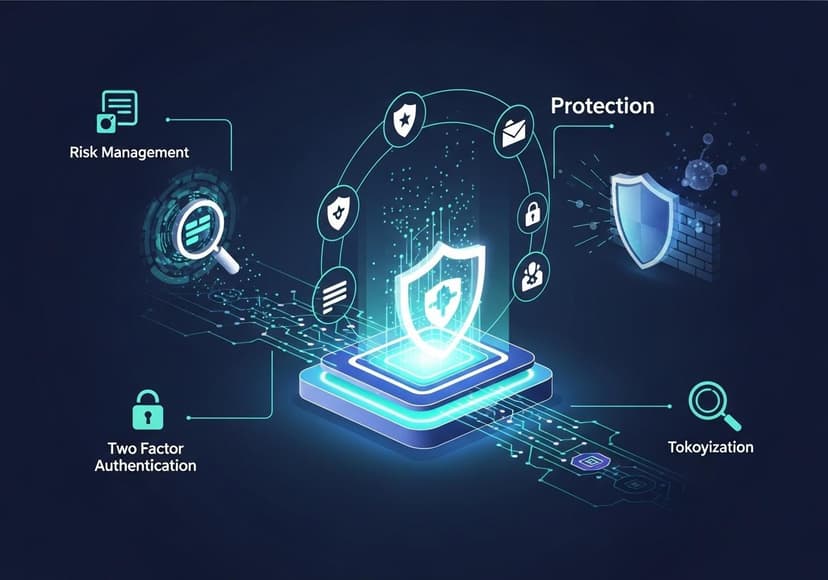
A payment gateway is the heart of any online payment system. It transfers data between the customer and the merchant while also communicating with the bank to complete transactions. Therefore, reliable payment gateway security is crucial for fraud prevention. A secure payment gateway will employ numerous security measures including encryption and tokenization to effectively shield sensitive information.
Understanding Encryption and Tokenization
Encryption is the process of converting sensitive data into a coded format to prevent unauthorized access. It ensures that even if cybercriminals intercept the data, they cannot read it without the key. On the other hand, tokenization replaces sensitive information, like credit card numbers, with a unique identifier or token. This means that sensitive card data is never stored on the server, minimizing risks related to data breaches.
PCI DSS Compliance: A Mandatory Standard
For any business involved in online payments, PCI DSS compliance (Payment Card Industry Data Security Standard) is a must. This set of standards helps businesses protect card information during and after a transaction. Compliance not only minimizes the chances of a data breach but also establishes trust with consumers. Businesses that neglect compliance risk severe penalties and damage to their reputation.
Two-Factor Authentication: Double Up Your Security
Two-factor authentication (2FA) adds an additional layer of security by requiring not just a password and username, but also something that only the user has on them, such as a physical token or a mobile app. Implementing 2FA significantly reduces the chance of unauthorized account access, providing better protection against fraud.
Engaging in Active Fraud Detection
To combat fraud effectively, businesses must utilize sophisticated fraud detection systems. Many payment gateways now offer built-in fraud detection tools that analyze transaction patterns and flag suspicious activities. This constant monitoring is crucial for fraud prevention, as it allows businesses to act swiftly before a transaction becomes compromised.
Establishing Risk Management Protocols
Effective risk management practices are vital for any company dealing with online payments. Businesses need to assess the risks associated with payment processing and implement measures to mitigate them. This includes regular training for employees to recognize phishing attempts, monitoring transactions for inconsistencies, and staying updated on emerging cybersecurity threats.
Data Breach Prevention Strategies
A successful data breach can lead to devastating financial losses and a tarnished reputation. To prevent this, businesses must adopt layered security strategies. Regular security audits, using firewalls, and installing anti-virus software are essential steps for data breach prevention. Additionally, collaborating with reputable payment providers can offer additional security features to safeguard the transaction processes.
Examples of Reliable Payment Solutions
Many companies today are looking for secure online payment solutions. For instance, Stripe is a popular payment gateway known for its robust security protocols and ease of integration. It has built-in fraud detection mechanisms, further enhancing its security offerings for businesses.
Conclusion: Safety is Non-Negotiable
As we delve deeper into the digital age, maintaining online payment security is essential for both consumers and businesses. Adopting robust measures such as PCI DSS compliance, two-factor authentication, and utilizing features like tokenization are steps any business can take to enhance its security posture. As you explore your options for accepting payments, don't forget to check out resources like Revolut for more insights on secure payment systems.
So, whether you’re a business owner or a consumer, understanding the fundamentals of online payment system security can help ensure that your transactions remain safe and secure, leading to a much better online shopping experience.
Related Posts

11 States Offering Free Solar Panels
Homeowners in eleven states can now get free solar panels, reducing energy costs and promoting sustainability.
Asset Maintenance Management
Asset inventory tools streamline tracking, improving equipment lifecycle oversight and enhancing maintenance planning for optimized resource allocation.

Boosting Employee Engagement With Evaluation Software
The software improves employee performance through feedback, goal tracking, and development, ultimately enhancing workplace satisfaction and productivity.