
Creative Journaling For Older Adults
It fosters self-expression, memory enhancement, and emotional well-being, enriching seniors' lives through reflective writing.
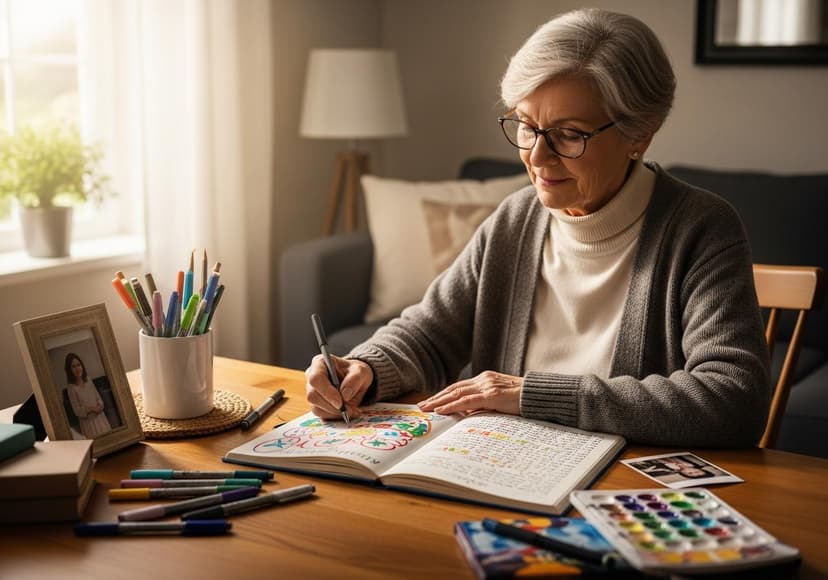
As we age, life often unfolds into a beautiful tapestry of experiences, lessons, and memories. For older adults, engaging in Creative Journaling can become an enriching practice that celebrates this tapestry while also supporting personal growth. In this blog post, we explore how journaling can serve as a platform for self-reflection, memory keeping, and even art therapy.
Why Creative Journaling?
Creative journaling isn't just about writing; it’s about expressing yourself creatively and deeply. Older adults can benefit from this form of expression in myriad ways. Not only does it allow for mindfulness and stress relief, but it also provides cognitive stimulation. Writing down thoughts and feelings helps to keep the mind agile, aids memory retention, and provides a channel for emotional release.
According to a wonderful article on the art of journaling for seniors, incorporating journaling into daily routines can enhance quality of life. Writing can be a simple yet profound way to delve into our past and make sense of our present.
Journaling Prompts to Get You Started
Sometimes the hardest part about starting a journal is knowing what to write about. Luckily, there are plenty of journaling prompts available, especially crafted for older adults. For instance, prompts could range from writing about a cherished memory to reflecting on lessons learned throughout one's life. These questions not only ignite memories but also inspire deeper thoughts.
If you're looking for ideas, check out this resource with 50 journal prompts for seniors. You’ll find all sorts of intriguing questions to help spark your creativity!
Memory Keeping: The Power of Writing Your Life Stories
One of the most significant aspects of creative journaling for older adults is memory keeping. Writing can serve as a form of legacy writing, allowing individuals to document their life stories for future generations. This process not only honors the experiences and relationships of the writer but also creates a tangible heritage for loved ones.
Engaging in this form of journaling can bring warmth and connection, merging the past with the present. Those stories can become a way to transmit wisdom and experiences, turning memories into gifts that enrich the lives of younger generations.
Art Therapy and Creativity
Combining words with art can elevate journaling to a new level. This is where art therapy comes into play. Creative journaling allows older adults not only to articulate thoughts but also to include drawings, doodles, and other artistic expressions. This multi-faceted approach is beneficial as it taps into both the creative and analytical parts of the brain, enriching the journaling experience.
For many, making art is a healing process. The act of creating something visually can reduce feelings of isolation and enhance emotional well-being. Through thoughtful creativity, individuals can express what might be difficult to verbalize, making this practice especially powerful.
The Benefits of Mindfulness in Journaling
One of the hidden treasures of creative journaling is its potential for cultivating mindfulness. Mindfulness is about being present in the moment and fully engaging with your thoughts and feelings. When you write, you focus your mind, which can enhance your awareness of inner experiences. This not only helps reduce anxiety but also contributes to overall mental clarity.
Moreover, dedicating a few moments each day to reflect and write can serve as a form of meditation. This blending of mindfulness with writing can be a powerful tool for stress relief and emotional healing.
Cognitive Stimulation Through Writing
Creative journaling fosters cognitive stimulation as well. Engaging the mind with thoughts, stories, and creativity can help sharpen mental faculties. Regular writing encourages critical thinking and prompts reflection, both of which are essential for maintaining cognitive health as we age.
Taking a moment each day to sit down and write can make a significant difference in mental acuity. It’s an effective way to combat cognitive decline and keep the mind active and engaged.
Personal Growth Through Self-Reflection
Journaling offers a fantastic opportunity for self-reflection. In writing, older adults can explore their feelings, fears, dreams, and aspirations. This reflective process can lead to personal discoveries and significant growth. It can also help in making sense of transitions, whether they be in relationships, health, or personal experiences.
By documenting thoughts regularly, individuals can track their progress over time, see patterns in their thinking, and understand how they have changed. This type of reflective practice is invaluable in a world that is constantly changing around us.
Conclusion: A Journey Worth Taking
Incorporating creative journaling into the daily life of older adults can be a transformative experience. It’s a gateway to legacy writing, memory keeping, and personal growth. By embracing the art of journaling, seniors not only document their life stories but also cultivate mindfulness, find stress relief, and engage in meaningful self-expression.
For more journaling inspiration, you may find these 28 writing and journaling prompts for older adults helpful. Let your imagination thrive, and let your words be your guide. Happy journaling!
Related Posts

Learn To Forgive Yourself
Self-compassion embraces kindness. Practice understanding, accept imperfections, and speak gently. Embrace your worth; healing starts within.

Life Changing Daily Tasks
Incorporate small, consistent tasks for significant life improvements. Embrace daily habits for positive change and growth.

Steps To Build Better Habits
Improve your daily routine. Implement small, consistent actions and eliminate bad ones for lasting positive changes.