
Learn To Forgive Yourself
Self-compassion embraces kindness. Practice understanding, accept imperfections, and speak gently. Embrace your worth; healing starts within.
It’s easy to hold onto past mistakes and allow them to define who we are. But it’s time we shift our perspective and learn to forgive ourselves. Embracing self-acceptance involves acknowledging our flaws and mistakes without letting them control our lives. It’s about understanding that everyone makes mistakes and that this is simply part of being human.
The Power of Self-Compassion
Self-compassion is about treating yourself with the same kindness and understanding that you would give a friend. It’s recognizing that you’re not alone in your struggles and that everyone faces hardships. When you practice self-compassion, you start to cultivate a sense of forgiveness towards yourself. You learn to accept your imperfections and that's a crucial step towards self-acceptance. Start by encouraging gentle internal dialogue by using positive self-talk. Remind yourself that it's okay to stumble and that you have the ability to rise again.
Mindfulness and Self-Acceptance
Mindfulness can be a powerful tool for self-forgiveness. By being fully present and aware of your thoughts and feelings, you can acknowledge your mistakes without judgment. Mindfulness helps you observe your emotions and thoughts without getting tangled up in them. This practice enables you to create a sense of distance between your identity and your actions. For support on practicing mindfulness, check out this insightful article on how to be kind to yourself.
Setting Healthy Boundaries
Sometimes, we find it challenging to forgive ourselves because of the expectations we place on ourselves or the pressure from others. This is where setting boundaries is essential. It's important to protect your mental and emotional well-being. Set limits on how much you criticize yourself and let go of the need for external validation. By establishing healthier relationships with yourself and those around you, you can foster an environment conducive to healing and forgiveness.
The Role of Therapy in Forgiveness
Sometimes, we need a guiding hand on the journey to forgiveness, and that’s where therapy comes in. A mental health professional can provide valuable insights and strategies tailored to your unique experiences. Therapy can help unravel the negative narratives we tell ourselves and replace them with healthier ones. To delve deeper into self-compassion, check out this resource on practicing self-compassion.
The Art of Journaling
Journaling can be a therapeutic outlet for some self-reflection. Putting pen to paper allows you to process your feelings, and articulate your thoughts, and in the process, you can better understand your journey towards forgiveness. It offers a space to express gratitude for your achievements, no matter how small they may seem. Documenting your experiences can deepen your journey towards self-acceptance, reminding you of the progress you've made over time.
The Benefits of Meditation
Meditation and mindfulness exercises can teach you to create a space where you can cleanse your thoughts and emotions. It allows you to disconnect from negative self-talk and instead focus on loving and accepting yourself. Regular meditation can lead to greater overall peace, helping you understand the importance of self-forgiveness. Cultivating a habit of meditation as a form of self-care can greatly enhance your journey to self-acceptance.
Establishing Healthy Habits
When it comes to self-forgiveness, it's essential to establish healthy habits. This includes engaging in activities that uplift your spirits and promote well-being. Exercise, nutritious food, and adequate sleep play crucial roles in how you perceive yourself. The healthier you feel physically, the better your mental state, which in turn facilitates your ability to forgive yourself.
Practicing Gratitude
Lastly, incorporating gratitude into your daily routine can significantly shift your outlook on life. When you focus on what you’re thankful for, it can help diminish feelings of shame or regret. Acknowledge even the smallest things that bring you joy and remind yourself of the strengths you possess. Gratitude is a powerful tool to enhance your journey towards self-acceptance.
The Road Ahead
Forgiving yourself isn’t an overnight process. It requires ongoing effort and practice. It’s about engaging in self-compassion, fostering mindfulness, and surrounding yourself with positivity. Embrace healthy habits, set firm boundaries, and consider seeking help through therapy if the journey feels too overwhelming. Most importantly, remember that you're not alone; every step you take towards self-forgiveness is a victory in itself.
As you embark on this journey, remind yourself that self-acceptance is within reach. Stay committed, be patient with yourself, and take small steps as you learn to forgive yourself. Embrace the beautiful, complicated human you are.

Related Posts

Life Changing Daily Tasks
Incorporate small, consistent tasks for significant life improvements. Embrace daily habits for positive change and growth.
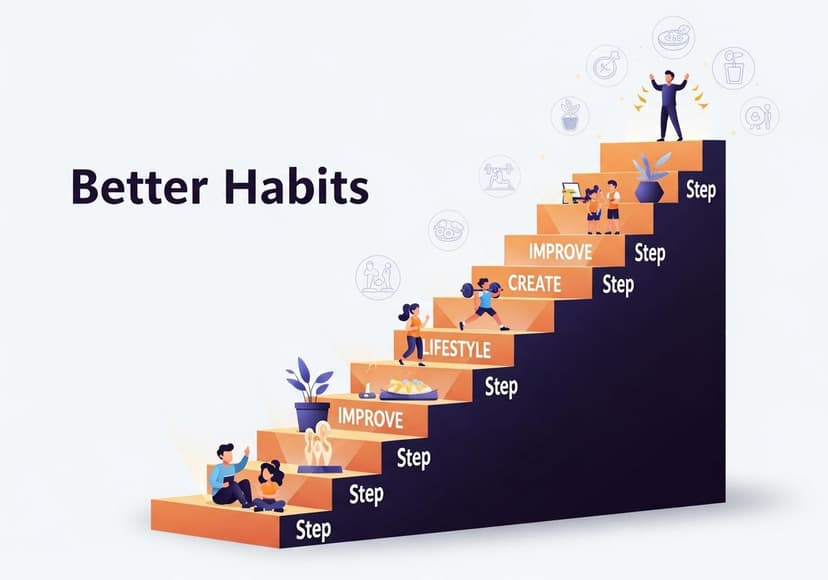
Steps To Build Better Habits
Improve your daily routine. Implement small, consistent actions and eliminate bad ones for lasting positive changes.

Call Center Telemarketing The Art Of Persuasion
Mastering persuasion techniques boosts success, transforming interactions into profitable engagements within telemarketing.