
Business Program Software A Comprehensive Guide
It provides insights into business program software, covering features, applications, and implementation for efficient operations and growth.
What is Business Program Software?
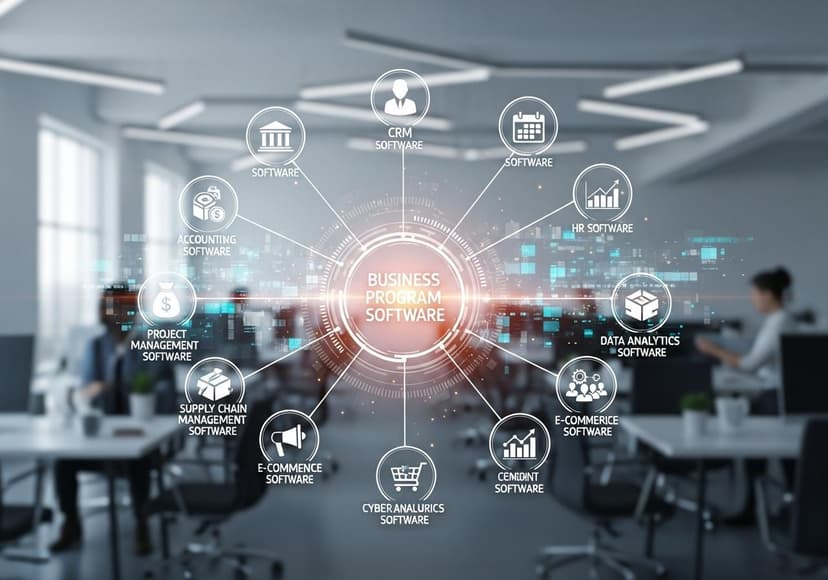
In today's fast-paced and technology-driven world, businesses of all sizes are relying on business program software to streamline their operations, enhance productivity, and drive growth. This type of software encompasses a range of solutions designed to address various business needs, from managing finances to customer relationships and everything in between.
Whether you're a startup or an established enterprise, understanding the different types of software available can give you a competitive edge. Let’s dive into some key categories of business software, starting with the essentials for any organization: erp software and crm software.
ERP Software: The Backbone of Business Operations
ERP software, or Enterprise Resource Planning software, is a comprehensive solution that integrates and manages core business processes in real-time. It provides a central hub where all business information is stored, enabling improved collaboration and data accuracy. From finance and HR to supply chain management, ERP software can streamline operations across departments.
By implementing ERP software, businesses can automate routine tasks, generate reports, and analyze performance metrics. This leads to better decision-making and more efficient operations. If you're interested in discovering ERP options that suit your organization, you might want to explore resources like the Business Software Specialist Program.
CRM Software: Enhancing Customer Relationships
Customer Relationship Management (CRM software) is another vital tool in the business software landscape. It helps organizations manage interactions with both current and potential customers. By storing detailed information about clients, their preferences, and past interactions, CRM software empowers businesses to tailor their marketing efforts and improve customer satisfaction.
A well-integrated CRM system can increase sales, improve communication across teams, and provide valuable insights into customer behavior. So if you're focusing on customer-centric strategies, don't overlook the importance of CRM software.
Project Management Software: Staying on Track
For businesses of all sizes, success often hinges on effective project management. Project management software aids in planning, executing, and following up on projects. It allows teams to collaborate, assign tasks, track progress, and ensure deadlines are met.
With features like timeline views, file sharing, and task dependencies, businesses can ensure that everyone is on the same page. This type of software is particularly useful for teams that work remotely or across multiple locations.
Accounting Software: Keeping Finances in Check
Every business needs a solid financial foundation, and that’s where accounting software comes into play. By automating the processes of bookkeeping, invoicing, and tax management, accounting software helps businesses stay compliant and aware of their financial health.
Want to find the best accounting software for your small business? Check out this guide for expert recommendations that suit various business needs.
Financial Planning Software: A Roadmap for Success
Financial planning software assists businesses in forecasting future financial outcomes based on current data. By creating budgets and analyzing spending trends, companies can make informed decisions about growth, investments, and cash flow management.
This type of software is particularly useful for businesses looking to scale, as it can help identify potential financial pitfalls while allowing for strategic resource allocation.
Supply Chain Management Software: Streamlining Operations
Efficient supply chain management is crucial for businesses that deal with production and inventory. Supply chain management software provides visibility into every aspect of the supply chain, from procurement to product delivery. This enhances decision-making and increases operational efficiency.
Organizations can optimize their supply chain processes, reducing costs and improving customer satisfaction. With the right software, you can manage suppliers, monitor stock levels, and forecast demand—all from one platform.
HR Software: Enhancing Workforce Management
Human Resources (HR software) plays a vital role in managing employee data, recruitment processes, and performance evaluations. By automating HR tasks, businesses can save time and focus on employee engagement and development.
From tracking applications to managing payroll and employee benefits, effective HR software also helps create a positive workplace culture, which is essential for retention and productivity.
Marketing Automation Software: Reaching Your Audience
In today’s digital landscape, marketing automation software is essential for conducting and analyzing campaigns on multiple channels. By automating marketing tasks, businesses can reach their target audience more effectively and with less effort.
This software allows for the scheduling of social media posts, email campaigns, and ad management, all while providing insights into customer engagement and behavior. By understanding analytics, businesses can refine their strategies for better results.
E-commerce Software: The Online Marketplace
With the growth of online shopping, e-commerce software has become crucial for businesses seeking to expand their reach. This software allows companies to create user-friendly online stores, manage orders, and handle payment processing—making it easier for customers to purchase products from anywhere.
E-commerce solutions come with various features, including shopping cart integrations, customer management tools, and sales analytics, making it easier to operate in the digital marketplace.
Data Analytics Software: Making Sense of Big Data
In the age of big data, organizations need to make informed decisions based on real-time insights. Data analytics software empowers businesses to collect, analyze, and visualize data, enabling them to derive insights that guide strategic decision-making.
By leveraging analytics, businesses can understand trends, monitor performance metrics, and tailor strategies to better meet customer needs.
Cybersecurity Software: Protecting Your Digital Assets
In a world where cyber threats are on the rise, cybersecurity software is not just an option; it's a necessity. This software helps protect sensitive business data from breaches and unauthorized access.
By implementing solid cybersecurity measures, businesses can safeguard their information, maintain customer trust, and comply with regulations. Investing in robust cybersecurity software should be a priority for every organization aiming to protect its operation.
Conclusion
In conclusion, choosing the right business program software can significantly enhance your organization's efficiency and effectiveness. From ERP and CRM software to project management and cybersecurity, investing in these tools can set your business on the right path to success.
As technology continues to evolve, staying ahead and adapting to new tools is vital for maintaining a competitive edge in the market.
Related Posts

11 States Offering Free Solar Panels
Homeowners in eleven states can now get free solar panels, reducing energy costs and promoting sustainability.
Asset Maintenance Management
Asset inventory tools streamline tracking, improving equipment lifecycle oversight and enhancing maintenance planning for optimized resource allocation.

Boosting Employee Engagement With Evaluation Software
The software improves employee performance through feedback, goal tracking, and development, ultimately enhancing workplace satisfaction and productivity.