
Understanding Severe Itch Common Causes
Severe itch stems from various origins, including skin conditions, allergies, infections, and underlying medical issues.
What is Severe Itch?
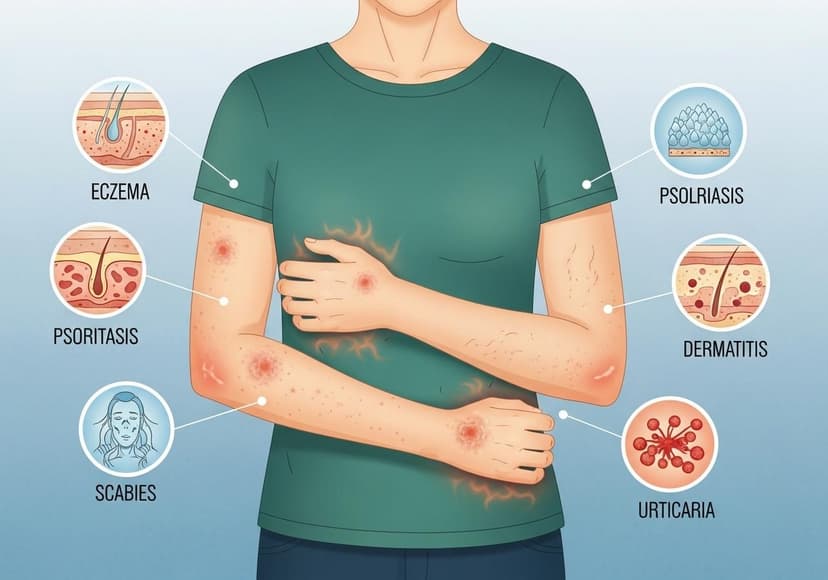
Severe itch, or pruritus, is a sensation that prompts the urge to scratch. While it might seem trivial, persistent itching can lead to discomfort, anxiety, and even skin infections. Understanding the common causes of severe itch is essential, especially during flare-ups associated with conditions like eczema, psoriasis, and other skin disorders.
Common Skin Conditions That Cause Itching
Numerous skin conditions can lead to significant itching. Let’s explore some of the most common culprits:
- Eczema: This chronic condition causes the skin to become inflamed, leading to red, itchy patches. Eczema can flare due to various triggers like allergens, stress, or environmental factors.
- Psoriasis: Another persistent disorder, psoriasis causes rapid skin cell turnover, resulting in thick scales and intense itching. Managing flare-ups and understanding triggers are key to control.
- Dermatitis: Contact dermatitis occurs when the skin reacts to allergens or irritants. The consequence is often itchy rashes that may require topical treatments.
- Urticaria: Commonly known as hives, this condition manifests as welts on the skin, accompanied by severe itching. Urticaria can stem from allergic reactions, medications, or stress.
Dry Skin Issues
Xerosis, or dry skin, is a frequent source of itching. Environmental factors like low humidity can contribute significantly to this condition. Keeping the skin moisturized plays a vital role in alleviating itchiness caused by xerosis.
Parasitic and Inflammatory Conditions
Certain parasitic infections also cause significant scratching:
- Scabies: Caused by tiny mites burrowing into the skin, scabies is notoriously itchy and requires specific treatments to eliminate the infestation.
- Lichen Planus: An inflammatory condition that can affect the skin and mucous membranes, lichen planus often presents with itchy purple lesions.
- Bullous Pemphigoid: This autoimmune disorder causes large blisters on the skin and is often accompanied by intense itching, particularly before blisters appear.
Other Factors of Severe Itch
Besides skin conditions, other factors can lead to uncontrollable itching:
- Mastocytosis: This rare condition results from an excessive number of mast cells, which can cause severe itching and rashes.
- Drug Eruption: Some medications can cause allergic reactions resulting in itchy rashes. Recognizing and reporting these side effects is crucial.
- Chickenpox: This viral infection is well known for its itchy rash and can cause significant discomfort. The itching from chickenpox often leads to scratching, which can exacerbate the condition.
For more information on how to manage the itchiness associated with these conditions, check out the helpful tips at this resource.
Finding Relief
Relieving severe itch can require a multi-faceted approach. Over-the-counter antihistamines may be beneficial, especially for allergic reactions. Moisturizers tailored for specific skin types can help manage dryness and provide relief.
Consulting with a dermatologist is also recommended for chronic conditions. They may prescribe topical corticosteroids or other treatments as needed. Ensuring that you avoid known triggers can drastically reduce flare-ups and associated itchiness.
For more detailed strategies on managing uncontrollable itchiness, visit this article.
When to Seek Help
If you experience severe itch that persists despite treatment or is interfering with your daily life, consult a healthcare professional. Persistent itching can be indicative of an underlying condition that may need to be addressed. Don't hesitate—seeking help is essential to boost your quality of life!
Conclusion
Understanding the various causes of severe itch can empower you to seek appropriate treatment and allow you to manage your symptoms effectively. From conditions like chickenpox to eczema, there are solutions available. Remember to consult with professionals and keep records of your symptoms for better management!
Related Posts

1199 Dentists Finding Affordable Care
Dentists accepting 1199 members provide affordable dental care. Find qualified dentists offering accessible and quality treatment.

1Md Supplements Articles
1Md supplements offer comprehensive wellness support. They enhance immune health and overall vitality, providing essential nutrients.

24 Hour Dental Implants A New Revolution
The revolutionary implants offer immediate teeth replacement, drastically reducing treatment time and providing patients with rapid results.