
The Power Of Api Integration
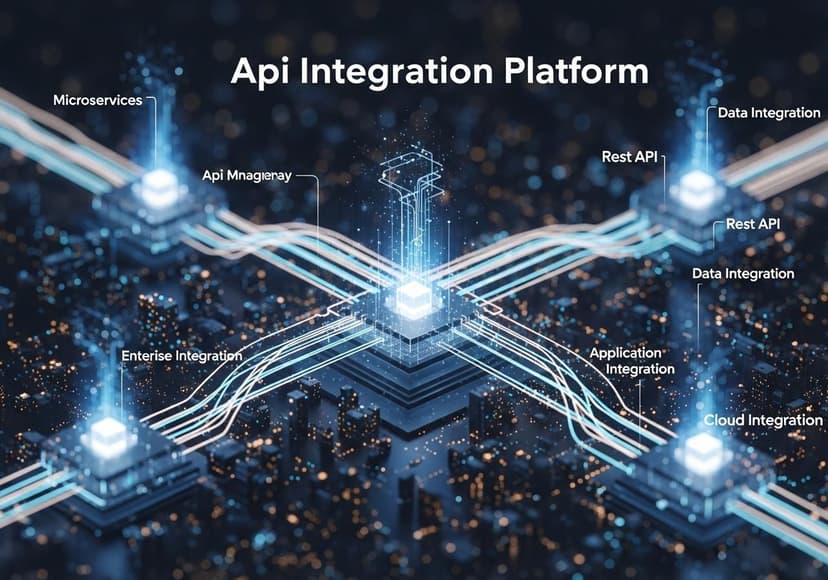
API integration platforms simplify data sharing, automate workflows, and boost business efficiency through seamless connections.
In today's fast-paced digital landscape, businesses are constantly looking for ways to streamline their processes, enhance user experiences, and drive innovation. One of the most effective strategies for achieving these goals is through API integration. But what exactly does API integration entail, and why should businesses invest in it? Let's take a closer look at the tools and concepts that surround this powerful approach.
Understanding API Integration
At its core, API integration is the process of connecting various applications to enable them to communicate and exchange data seamlessly. An API integration platform provides the tools necessary to facilitate this process, allowing businesses to create synergies between different software solutions. With the right infrastructure in place, organizations can boost efficiency and enhance collaboration across all departments.
The Role of API Management
Managing and monitoring APIs is crucial for successful integration. This is where API management comes into play. With effective API management tools, businesses can control how their applications interact with one another. This includes establishing permissions, tracking usage metrics, and maintaining security protocols. A robust API gateway can help manage traffic flow between internal and external applications, acting as a checkpoint where requests are verified and processed.
Microservices Architecture
Another important concept within API integration is the use of microservices. This architectural style breaks down applications into smaller, independent services that can be deployed and scaled individually. By leveraging REST APIs or SOAP APIs, organizations can develop and maintain these microservices more efficiently, allowing them to respond to market changes quickly and effectively.
Data Integration Made Easy
Just as crucial as application communication is the concept of data integration. Businesses today need to deal with vast amounts of data coming from different sources. API integration platforms can enable cloud integration and facilitate the flow of data between on-premises systems and cloud-based services. This is achieved through the implementation of enterprise integration strategies that ensure data consistency and reliability across all systems.
The Middleware Solution
When it comes to enabling communication between disparate applications, middleware serves as a vital component in the API integration landscape. Middleware tools act as intermediaries that facilitate data exchange and streamline processes without requiring significant changes to existing systems. With middleware in place, businesses can achieve faster integration, ensuring that their software systems work harmoniously.
Benefits of iPaaS
For companies looking to adopt a more modern approach to application integration, iPaaS (integration platform as a service) offers an appealing solution. This cloud-based model allows organizations to integrate applications without the complexity of traditional systems. With iPaaS, businesses can use pre-built connectors and automated workflows to connect their applications swiftly, making it easier than ever to achieve desired outcomes in a cost-effective manner.
The Importance of Application Integration
At the end of the day, the main goal of API integration is to facilitate application integration. By embracing this strategy, organizations can capitalize on existing investments while also fostering innovation. Successful application integration enables businesses to enhance customer experiences, optimize internal workflows, and stay competitive in an ever-evolving market.
Real-World Examples
To understand the practical implications of API integration, let's consider a few real-world scenarios. For example, a retail company might utilize an API integration platform to connect their e-commerce site with their inventory management system. By doing so, customers can see real-time inventory levels, leading to a seamless shopping experience. Another example is a financial institution that employs API management tools to link various banking applications, giving users the functionality to manage their accounts from a single interface.
Conclusion
In summary, the power of API integration cannot be overstated. By implementing effective API integration strategies, organizations can unlock new levels of efficiency, collaboration, and innovation. Embracing microservices, leveraging middleware, and utilizing API management tools allows businesses to connect applications seamlessly and respond to customer needs promptly. As you explore the world of API integration, remember the invaluable resources available online—such as this detailed guide on API integration tools. Start leveraging the advantages of API integration today, and watch your organization flourish!
Related Posts
5 Ways To Improve Your Companys It Managed Services
Optimize IT managed services by focusing on automation, security, and proactive monitoring to enhance efficiency.

5G Coverage Map By Zip Code
Find detailed 5G coverage information by zip code, including availability and service quality.

5G Internet The Future Is Now
Enhanced speeds and connectivity redefine digital landscapes. Its impact spans industries, connecting everyone globally.