
The Evolution Of Advertising
Ads have transformed dramatically, from print to digital, shaping consumer behavior and business strategies, constantly adapting.
Introduction
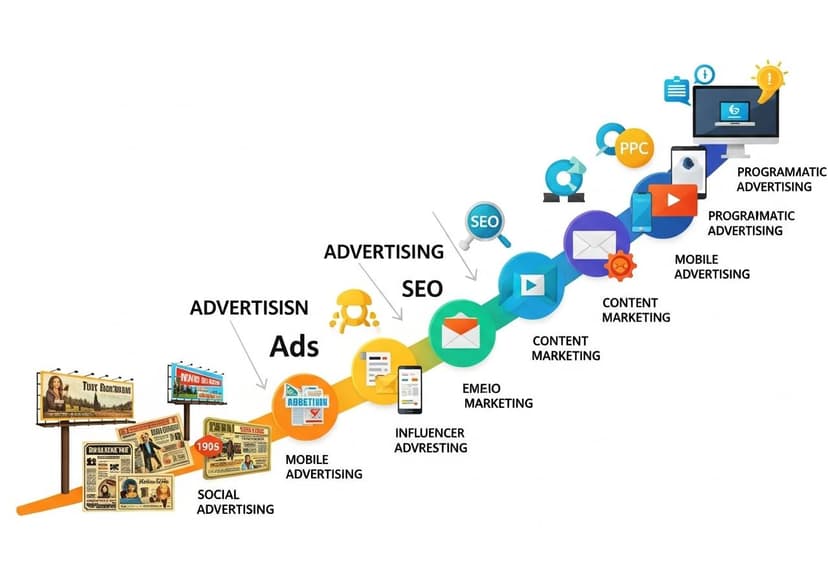
Since the dawn of commerce, advertising has played a pivotal role in connecting products with consumers. From ancient messages etched on stone tablets to contemporary digital marketing techniques, the landscape is ever-evolving. In this blog post, we’ll take a deep dive into the evolution of advertising and explore how it has transformed with technology.
Traditional Advertising: A Historical Overview
In the early days, advertising was a straightforward affair. Think town criers, hand-painted signs, and newspapers. Businesses relied mostly on word-of-mouth marketing and print media to promote their products. Radio and television introduced a new dimension, allowing businesses to reach wider audiences. However, these forms were still one-way communication, leaving little room for consumer interaction.
The Digital Revolution
The internet ignited a seismic shift in advertising and marketing, making it more interactive and targeted. Digital marketing has allowed brands to engage consumers in real-time, thanks to social media advertising, SEO, and PPC campaigns. By leveraging data analytics, businesses can understand their audience better and craft tailored campaigns. This has reshaped how advertising operates, emphasizing agility and adaptability.
Social Media Advertising: Engaging on a Global Scale
Social media advertising has transformed from a simple trend to a crucial component of marketing strategies. Platforms like Facebook, Instagram, and Twitter help brands reach specific demographics with precision. It allows for targeted campaigns that can be adjusted based on real-time engagement. Influencer marketing, a subset of social media advertising, has gained significant traction, enabling brands to tap into established communities and leverage personal connections.
Search Engine Optimization (SEO) and Pay-Per-Click (PPC)
SEO and PPC are two sides of the same coin in the digital marketing realm. SEO is about organically improving a website's visibility on search engines, while PPC allows brands to pay for immediate visibility. When executed effectively, both tactics complement each other, driving significant traffic to websites while increasing brand awareness. For more resources on SEO, you can visit Google's Advertising Policies.
Content Marketing: Storytelling for the Digital Age
Content marketing is about creating valuable and relevant content to attract and engage an audience. In a world inundated with advertisements, compelling storytelling is key to standing out. Whether it’s blogs, infographics, or podcasts, successful content marketing builds trust with consumers, fostering long-term relationships and loyalty.
Email Marketing: The Personal Touch
Despite the birth of new advertising methods, email marketing remains a key player. It’s a direct line to consumers and allows for personalized messaging that can convert leads into customers. With automation tools, businesses can send targeted campaigns based on user behavior, making email marketing a crucial tactic in a well-rounded marketing strategy.
Video Advertising: Captivating Attention
Video advertising has taken the digital world by storm. Whether through short social media clips or YouTube commercials, the visual appeal of video content captures attention like no other format can. Businesses can leverage storytelling and visuals to convey messages effectively, making video advertising one of the most engaging forms out there today.
Mobile Advertising: Reaching Audiences Where They Are
With smartphones becoming ubiquitous, mobile advertising offers an unprecedented opportunity to reach consumers on the go. Ads can be displayed in apps, on mobile websites, and through SMS marketing. This level of accessibility means brands must optimize their advertising strategies for mobile screens, ensuring they capture attention in a compact, engaging format.
Programmatic Advertising: Automation at Its Best
Programmatic advertising represents the cutting edge of marketing technology. It uses automated systems to buy and sell ad space, ensuring that ads are served in real-time to the right audiences. By harnessing the power of data, programmatic advertising enables hyper-targeted marketing strategies, delivering ads based on user behavior and preferences. For more on how programmatic advertising can work for you, check out Google Ads.
Conclusion
The evolution of advertising is a testament to the ongoing marriage between creativity and technology. As we look to the future, trends like AI and AR will likely shape the next generation of advertising strategies. The key takeaway is that the fundamentals of effective advertising remain the same: understanding your audience and delivering value. Embracing innovation while staying true to core principles can lead to successful advertising in this dynamic landscape.
Related Posts

Benefits Of Senior Friendships
They provide companionship, reduce isolation, offer emotional support, and improve overall well-being in later life.

Best Books For Senior Book Clubs
Selecting engaging reads for senior book clubs involves diverse genres and themes to stimulate conversations and connection.

Community Outings For Seniors
Enjoyable group activities promote socialization, well-being, and active lifestyles for seniors within the community.