
Senior Peer Mentoring Program Design
Older adults benefit from supportive relationships that encourage socialization and offer valuable guidance.
What is Senior Peer Mentoring?
Senior Peer Mentoring is a supportive initiative that connects younger individuals with seasoned seniors, fostering both personal and professional growth. It’s all about creating relationships where knowledge and experiences can be shared. This program not only helps seniors build their communication skills but also lays the groundwork for leadership development. When designed effectively, these mentoring programs can positively influence senior engagement and community participation.
The Importance of Mentoring Program Design
When we think about mentoring program design, we must consider the unique needs of our participants. A successful program should address both the objectives of the organization and the expectations of the seniors involved. The goal here is to create a structured environment that encourages peer support while ensuring that every participant feels valued and understood. This means considering their individual goals, backgrounds, and experiences.
Key Components to Consider
Every successful mentoring program incorporates critical elements such as clear objectives and a plan for goal setting. It’s essential to outline what each participant hopes to achieve through mentorship. This not only enhances the relationship but also plays a crucial part in ongoing program evaluation. Determining success is based on whether these goals have been met, and if not, adjustments can be made to improve the program.
Training Programs for Mentors
Before embarking on this mentoring journey, it's vital that mentors undergo comprehensive training programs. These trainings can equip them with the skills needed for effective relationship building. Key focus areas should include active listening, conflict resolution, and the formulation of achievable goals. With these tools in their arsenal, mentors can support their peers with confidence and clarity.
Fostering Communication Skills
The foundation of any mentoring relationship lies in effective communication. Mentors need to master communication skills that foster an open dialogue. This includes being able to articulate thoughts clearly, provide constructive feedback, and actively engage in conversations. Building a rapport is essential, and strong communication forms the bedrock of trust and respect between mentors and mentees.
Practicing Active Listening
In the realm of mentorship, active listening cannot be overstated. It’s essential for mentors to fully understand the concerns and passions of their mentees. Active listening promotes a sense of belonging, validating the mentee's feelings and insights. This supportive environment opens up opportunities for meaningful discussions and helps in identifying mutual goals, making the relationship even stronger.
Addressing Conflict Resolution
Conflict can arise in any relationship, including those established in mentoring. Effective conflict resolution skills are necessary for mentors. This involves recognizing disagreements, understanding different perspectives, and working collaboratively to achieve peaceful solutions. By addressing conflicts constructively, mentors model healthy relationships and showcase how to navigate challenges within any situation.
Goal Setting in Mentors and Mentees
One of the vital processes within senior peer mentoring is goal setting. Encouraging both mentors and mentees to set clear, achievable goals provides direction and purpose. Whether it's improving social engagement or learning new skills, establishing a roadmap can lead to success. Regular check-ins can help assess progress and make necessary adjustments to goals or strategies, ensuring that both parties remain on the same page.
Why Program Evaluation Matters
An often-overlooked aspect of mentoring programs is the necessity of program evaluation. Regular assessments not only gauge the effectiveness of the mentoring relationships but also allow for the identification of areas for improvement. Feedback from participants can guide the evolution of the program, making sure it continues to meet the changing needs of seniors. An adaptable program ensures that mentors are equipped and empowered to make a positive impact.
Emphasizing Senior Engagement
Senior engagement is not just about finding mentors for the young; it’s equally about placing worthy mentors at the helm. Programs that focus on engagement tend to see a ripple effect, where both mentors and mentees experience growth and enrichment. This mutual benefit can lead to longer-lasting relationships and stronger community ties. Consider exploring successful mentoring initiatives, such as those highlighted by this initiative.
Accessible Resources for Seniors
In support of our seniors, providing accessible health and wellness resources is essential. As part of the mentorship experience, introducing activities that promote physical and mental health can greatly enhance the quality of life. For instance, check out this resource on easy exercises for seniors that can be seamlessly integrated into mentoring sessions.
The Path Forward
In conclusion, designing a successful Senior Peer Mentoring Program requires a blend of thoughtful mentoring program design and component focus, including goal setting, communication skills, and program evaluation. Let’s create a nurturing environment where relationships flourish and both mentors and mentees can grow together. For further reading and case studies, consider exploring research articles to inspire the development of your program like this one on program effectiveness.
Engage, Empower, Evolve – that’s the spirit of Senior Peer Mentoring!

Related Posts
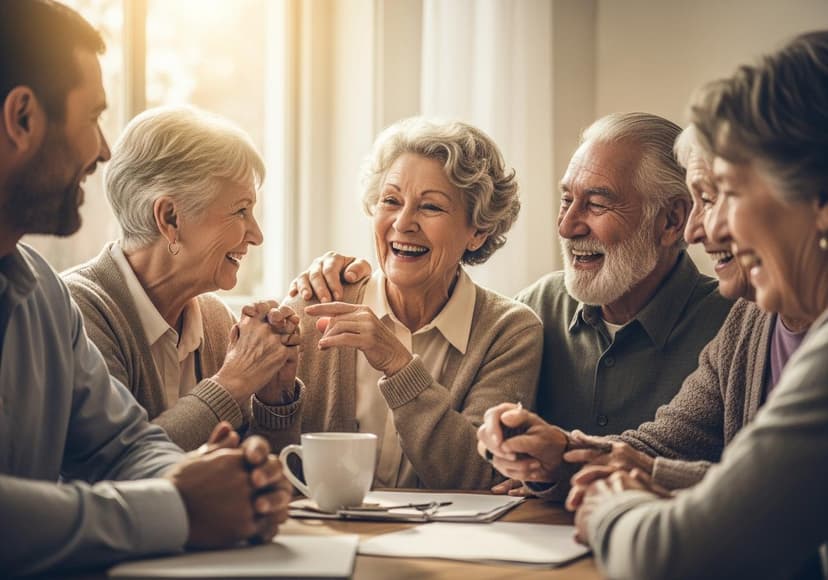
Benefits Of Senior Friendships
They provide companionship, reduce isolation, offer emotional support, and improve overall well-being in later life.
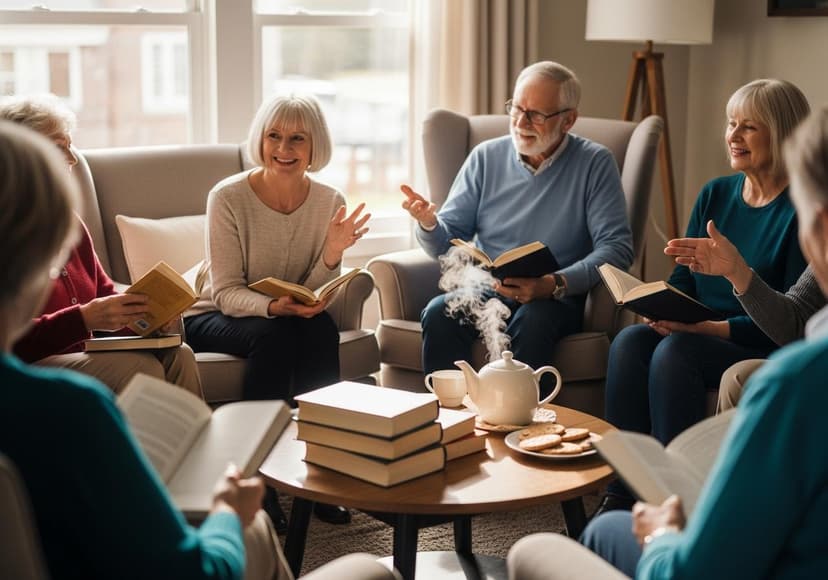
Best Books For Senior Book Clubs
Selecting engaging reads for senior book clubs involves diverse genres and themes to stimulate conversations and connection.
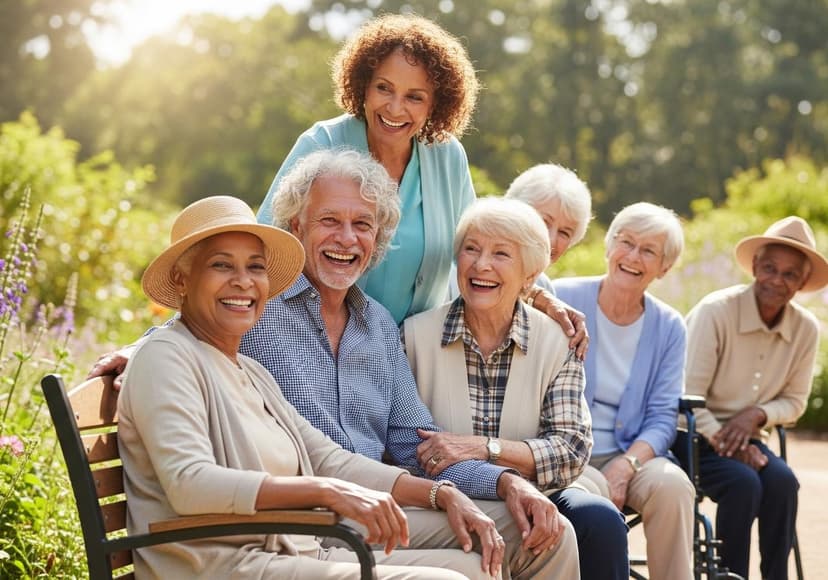
Community Outings For Seniors
Enjoyable group activities promote socialization, well-being, and active lifestyles for seniors within the community.