
Radon And Lung Cancer
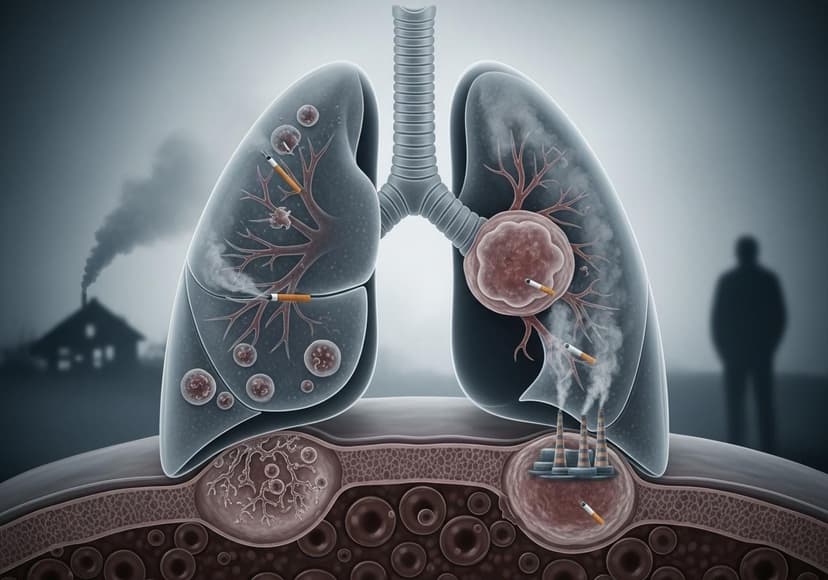
Exposure to radioactive gas significantly elevates the risk of developing lung cancer, especially for smokers.
When we think about lung cancer, most of us immediately picture smoking as the primary culprit. While it's undeniably a major factor, there are other serious contributors out there, including a silent and invisible enemy: radon. Understanding radon's role, especially in relation to lung cancer, is crucial for protecting your health.
What Is Radon?
Radon is a naturally occurring radioactive gas that's produced by the decay of uranium in the soil and rock. It seeps into homes through cracks in walls or floors and can accumulate to dangerous levels. Because radon exposure typically occurs indoors, many people are unaware they are at risk. It's essential to monitor your living environment, especially if you live in areas known for high radon levels.
Radon and Lung Cancer: The Risk
The connection between radon and lung cancer isn't just an assumption; research has established it as a significant cause of the disease. According to the American Cancer Society, radon is the second leading cause of lung cancer after smoking. When radon decays, it releases ionizing radiation, which can damage lung tissue and lead to cancer over time.
How Does Smoking Compound the Risk?
If you smoke, your risk of developing lung cancer is already heightened. When you factor in exposure to radon, the chances increase even more. Tobacco smoke contains a variety of harmful chemicals that, when combined with the ionizing radiation from radon, create a perfect storm for cell damage in the lungs. It’s like playing with fire—exposing yourself to both of these risk factors significantly amplifies the danger.
Other Contributing Factors
While radon and smoking are the most recognized risks, lung cancer can also be influenced by several other environmental factors. Asbestos exposure is another known risk factor; it can lead to lung cancer, particularly in those who have also been exposed to radon. In addition, air pollution and diesel exhaust are increasingly being recognized as contributing factors, highlighting the complex web of risks associated with this disease.
The Role of Genetics and Family History
Our genes also play a role in our susceptibility to lung cancer. Studies show that individuals with a family history of lung cancer may be at greater risk, especially when combined with environmental exposures like radon and smoking. Genetic predisposition can determine how well your body can repair damage caused by ionizing radiation from radon, making awareness of family health history essential.
Occupational Hazards: A Hidden Risk
Certain jobs may expose workers to increased levels of radon or other carcinogens. For those in occupations involving mining or working in poorly ventilated areas, knowing about occupational hazards could save lives. Applying proactive measures such as monitoring air quality and wearing protective gear can mitigate these risks.
Testing and Mitigating Radon Exposure
Testing your home for radon is crucial, as it allows you to know your exposure levels. Home test kits are widely available and easy to use. If you discover high levels of radon, there are methods available to mitigate radon exposure effectively. These might include sealing cracks in floors or walls or even installing ventilation systems to reduce indoor radon levels.
The Importance of Awareness and Action
The more we learn about radon and its connection to lung cancer, the better equipped we become to protect ourselves and others. Public awareness campaigns aim to educate about the risks associated with radon and emphasize the importance of testing and mitigation. You can be a part of this effort by spreading the word among family and friends, as knowledge really is power.
Take Charge of Your Health
At the end of the day, our health is in our hands. Armed with information about radon and its implications for lung cancer, you can take actionable steps to reduce your risk. Inform yourself about air pollution, understand your family history, and if you're a smoker, consider seeking help to quit. Every small change can make a difference.
Conclusion
Radon may not be as widely known as smoking when it comes to lung cancer, but it certainly deserves attentiveness. Understanding its connection to lung cancer and the other contributing factors—be it environmental, genetic, or occupational—is vital in the fight against this disease. For detailed insights about what causes lung cancer, explore this resource. Additionally, for more about lung cancer and its treatment options, check out Cleveland Clinic. Together, we can combat this silent killer, one informed decision at a time.
Related Posts

1199 Dentists Finding Affordable Care
Dentists accepting 1199 members provide affordable dental care. Find qualified dentists offering accessible and quality treatment.

1Md Supplements Articles
1Md supplements offer comprehensive wellness support. They enhance immune health and overall vitality, providing essential nutrients.
24 Hour Dental Implants A New Revolution
The revolutionary implants offer immediate teeth replacement, drastically reducing treatment time and providing patients with rapid results.