
Programmatic Advertising In Digital Marketing
Automated ad buying uses data for targeted reach, real-time bidding, and optimizes ad campaigns in digital marketing.
In the fast-paced world of digital marketing, Programmatic Advertising has revolutionized how brands reach their audiences. Behind the scenes, there's a sophisticated web of technologies and strategies that make it all possible, providing advertisers with a level of precision that was previously unimaginable. In this post, we will dive into the core components of programmatic advertising, focusing especially on Cross-device Targeting and how it allows marketers to engage consumers seamlessly across multiple platforms.
What is Programmatic Advertising?
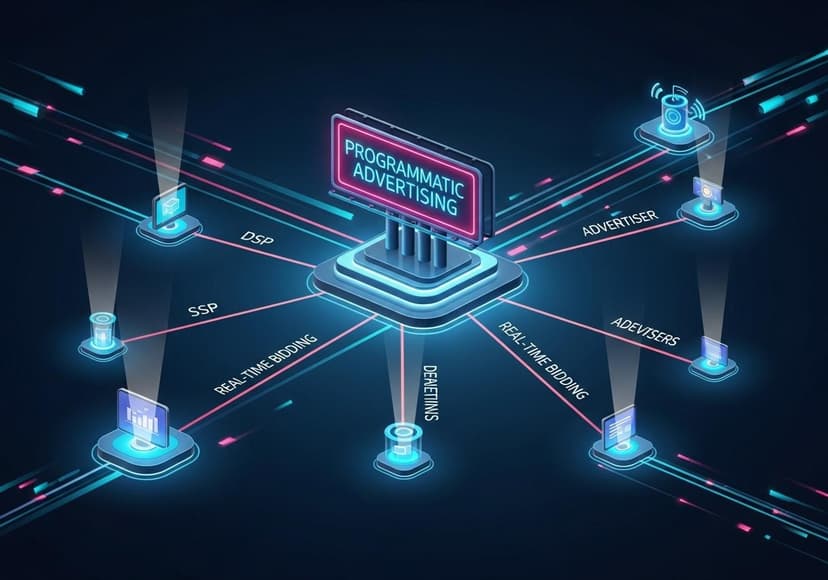
Programmatic Advertising refers to the automated buying and selling of online ad space. Businesses utilize various technology platforms to target specific audiences effectively. This process includes tools like Demand-Side Platforms (Dsp) and Supply-Side Platforms (Ssp), which act as intermediaries connecting buyers and sellers in real-time.
One of the highlights of programmatic advertising is its reliance on Real-time Bidding (RTB), where advertisers bid for ad impressions as they become available. This allows for instant decision-making and more efficient use of ad budgets. You can learn more about the intricacies of programmatic advertising at Amazon Advertising Blog.
The Role of Ad Exchange and Header Bidding
At the heart of programmatic advertising lies the Ad Exchange, a marketplace that facilitates the instant buying and selling of media advertising space. In this ecosystem, Header Bidding is a crucial technique that helps publishers maximize their revenue by allowing multiple advertisers to bid for ad placements before the ad is served. This transparency gives advertisers more control and, importantly, encourages healthy competition among bidders.
Tackling Ad Fraud and Ensuring Viewability
As programmatic advertising grows, so do the challenges associated with it. Ad Fraud is a prevalent issue that can exhaust budgets without generating real value. Brands can protect themselves by using tools designed to detect and report fraudulent activity. Additionally, Viewability has emerged as an essential metric, ensuring that ads reach users’ screens in a way that they can actually see. Partnership with trusted platforms can enhance the security of your advertising efforts.
Maintaining Brand Safety
Ensuring Brand Safety is more important than ever in today’s digital landscape. Programmatic platforms must work tirelessly to ensure that advertisements appear in appropriate contexts, safeguarding brand reputations. Advertisers can implement settings to select the types of content they want to associate their brand with, thus minimizing risk and aligning their ads with their ethical standards.
Data Management Platforms: The Brain of Advertising
Central to the success of programmatic advertising is the use of Data Management Platforms (DMP). These platforms allow marketers to collect, analyze, and utilize customer data effectively. By leveraging first-party and third-party data, advertisers can craft targeted campaigns that resonate with various audience segments. This granularity is particularly advantageous for Cross-device Targeting, allowing brands to connect with customers regardless of the device they’re using.
Attribution Modeling in Programmatic Advertising
Attribution Modeling takes center stage in evaluating the performance of programmatic campaigns. This process helps brands understand which touchpoints contribute most significantly to conversions. Properly implementing various attribution models, such as linear or time decay, allows marketers to allocate their resources wisely and expand their effective reach.
Cross-device Targeting: The Game Changer
When discussing programmatic advertising, Cross-device Targeting emerges as a game changer. Today’s consumers move fluidly across devices, completing purchases on mobile phones that they started on desktop computers or tablets. Programmatic advertising harnesses sophisticated data analytics and tracking technologies to engage users seamlessly across all their devices.
This capability means that brands can create personalized experiences that meet customers where they are at any given moment. From retargeting users who abandoned shopping carts to delivering tailored content to different devices, success in programmatic advertising hinges on mastering Cross-device Targeting.
Conclusion: The Future of Digital Marketing
As digital marketing evolves, Programmatic Advertising will continue to play a pivotal role in how brands interact with their consumers. The innovations surrounding Real-time Bidding, Dsp, Ssp, and Ad Exchanges empower marketers to target effectively and efficiently. Navigating challenges like Ad Fraud, Viewability, and Brand Safety is essential for achieving success in this dynamic landscape.
To delve deeper into the world of programmatic advertising and its potential, don’t forget to check out this article on Amazon's blog and explore the various formats and capabilities outlined at Google Ad Manager.
Embrace the future of digital marketing, harness the power of programmatic advertising, and take your campaigns to the next level with Cross-device Targeting!
Related Posts

5 Ways To Improve Your Companys It Managed Services
Optimize IT managed services by focusing on automation, security, and proactive monitoring to enhance efficiency.
5G Coverage Map By Zip Code
Find detailed 5G coverage information by zip code, including availability and service quality.

5G Internet The Future Is Now
Enhanced speeds and connectivity redefine digital landscapes. Its impact spans industries, connecting everyone globally.