
Multi Factor Authentication A Guide
It enhances security by requiring multiple verification methods, bolstering protection against unauthorized access significantly.
In today's digital world, safeguarding your online accounts is more crucial than ever. With cyber threats on the rise, one of the most effective methods to enhance authentication security is through multi-factor authentication (MFA). This guide will take you through the basics of MFA, including its significance in cybersecurity and how it works to protect your data.
What is Multi-Factor Authentication?
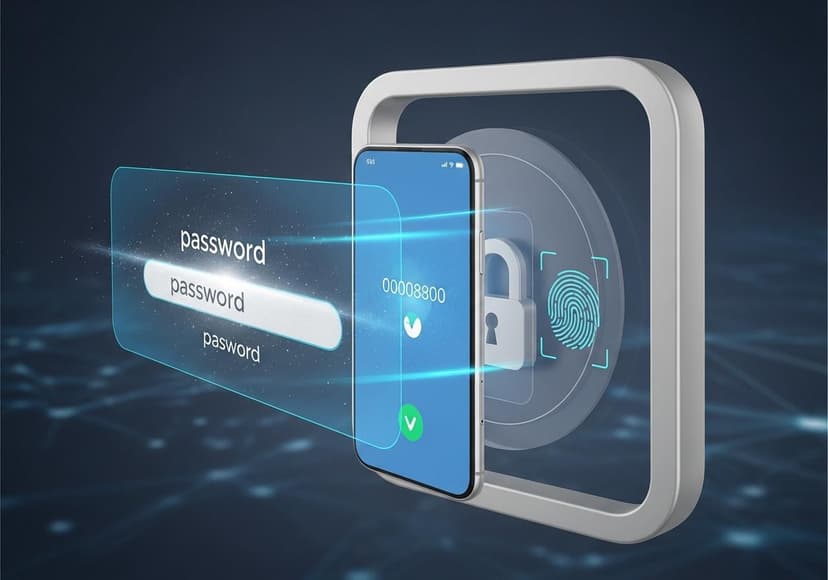
Multi-factor Authentication is a security protocol that requires multiple forms of verification before granting access to an account. Instead of just relying on a password (which can be easily guessed or stolen), MFA adds an extra layer of protection. This could include something you have (like a mobile phone), something you know (your password), or something you are (like a fingerprint).
MFA comes in many forms, and it's often confused with two-factor authentication (2FA). While 2FA is a type of MFA that requires two forms of verification, MFA could involve several verification methods. This increased complexity makes unauthorized access more difficult. For a more in-depth exploration of what MFA is, check out this link.
The Importance of MFA in Cybersecurity
As we navigate through the myriad of online platforms, ensuring account security is a top priority. Cybercriminals are constantly evolving their tactics, making traditional password-only protection less effective. Hence, more organizations are adopting MFA authentication to reinforce identity verification.
Implementing MFA significantly reduces the risk of unauthorized access. Even if a hacker manages to breach your password, without the second factor, they won’t get very far. This extra step in access control is essential for protecting sensitive servers, personal information, and financial data from theft.
Types of Multi-Factor Authentication
When considering multiple authentication methods, various types are commonly used. These include:
- Something you know: This typically includes passwords or PINs.
- Something you have: This can be your smartphone or a specific authentication app, like the Microsoft Authenticator.
- Something you are: This pertains to biometric data, such as fingerprints or facial recognition.
The more factors you integrate, the more robust your authentication security will be. It’s like having a vault with multiple locks—one lock alone may not be enough, but combined, they offer superior protection.
How to Implement MFA for Better Password Security
Integrating MFA can seem daunting, but it really is a straightforward process. Most platforms today offer the option to enable multi-factor authentication in your security settings. Activate it, and choose your preferred method for the second factor.
For example, you can receive a one-time code via SMS or use a third-party application. Implementing these advanced security protocols drastically enhances your data protection measures.
Common Myths About Multi-Factor Authentication
Despite its growing popularity, misconceptions about MFA still persist. Here are a few of the most common myths debunked:
- MFA is too complicated: While it might add an additional step, most platforms make it easy to set up and use.
- MFA is only for large businesses: This is false; anyone with online accounts should prioritize account security.
- Passwords are enough: With evolving threats, simply relying on password security is no longer sufficient.
Embracing realistic views of how MFA functions can help users better appreciate its significance in contributing to their online safety.
MFA and Its Impact on Data Protection
With growing incidents of data breaches, the importance of data protection cannot be overstated. Cybersecurity measures like MFA play a pivotal role in safeguarding user information.
Organizations can secure sensitive data, while individuals can protect personal accounts—whether it's for their email, social media, or banking. Embracing authentication security practices helps to create a more secure digital landscape for everyone.
Conclusion
The adoption of Multi-factor Authentication is vital in today’s digital security landscape. It offers a form of protection that goes beyond simple passwords, reinforcing password security and account security. By understanding and implementing MFA, users can effectively bolster their authentication security measures against adverse threats.
If you are looking to fully understand why Security Protocols are essential for your online presence, remember to always look for tools and practices that enhance your identity verification processes. Stay informed, remain vigilant, and make your digital life as secure as possible. For more information on MFA and its significance, consider visiting the CISA website.
Related Posts

20 Cloud Security Services You Should Consider
Protecting cloud infrastructure is crucial. Explore essential security services, encompassing data, threat detection, and compliance.

Cloud Security Posture Management Tools You Should Know
Assess and improve your cloud security. Enhance compliance and detect misconfigurations for robust protection.
Cost Savings The Financial Benefits Of Cybersecurity Software
Cybersecurity software protects assets, minimizes breaches, ensuring business continuity, and reducing financial losses effectively.