
Hospice Palliative Care Explained
Seniors facing serious illness can receive comfort. It focuses on pain, symptoms, and enhancing quality of life.
When it comes to healthcare, especially for seniors, understanding the various options available can greatly improve quality of life. Among these options, Hospice Care and Palliative Care have emerged as critical services to provide comfort during a challenging phase of life. In this blog post, we will delve into these concepts, exploring their meanings, benefits, and relevance to Geriatric Care.
What is Hospice Care?
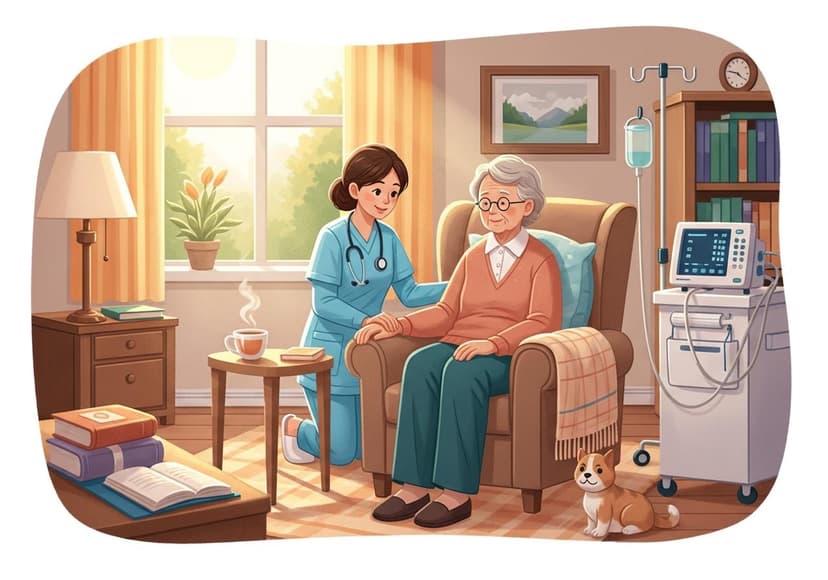
Hospice Care is a specific type of care designed for individuals who are nearing the end of their lives. It is not about hastening death; rather, it's about ensuring that individuals live their final days with dignity, providing End-of-life Care that focuses on pain management and comfort. Hospice care can occur at home or in specialized facilities, allowing individuals to be surrounded by their loved ones and in a familiar environment.
More information can be found on NIA's website.
Understanding Palliative Care
While Hospice Care is intended for those at the end of life, Palliative Care is appropriate for individuals at any stage of a serious illness. Palliative care focuses on providing relief from symptoms and stress related to a broader range of serious illnesses. It doesn't aim to cure the illness, but rather to improve the patient’s quality of life through Pain Management and Symptom Management. It involves a collaborative approach, where medical caregivers, nurses, and family members work together in a supportive framework.
The Key Components of Hospice and Palliative Care
Both hospice and palliative care offer comprehensive Supportive Care that extends beyond merely addressing physical symptoms. These forms of care encompass emotional, social, and spiritual support aimed at enhancing the well-being of both patients and their families. Important components include:
- Nursing Care: Skilled nurses provide medical care tailored to patient needs.
- Medical Care: Physicians ensure that medical interventions are consistent with the patient's goals.
- Comfort Care: Focused on reducing pain and discomfort, ensuring that patients feel as good as possible.
- Home Health Care: Many patients prefer receiving care at home, where they feel comfortable and secure.
The Importance of Support for Families
One aspect that’s often overlooked in hospice and palliative care is the support provided to family members. Caring for a loved one who is seriously ill can be physically and emotionally taxing. In many cases, families aren't just caretakers but are grappling with their own emotions and fears. Through counseling and respite care, family members are given the tools and support they need during this challenging time.
To learn more about the crucial importance of palliative care in geriatric care, visit this essential guide.
Geriatric Care and the Role of Hospice and Palliative Care
Geriatric Care is all about addressing the unique needs of older adults, especially concerning chronic illnesses and declining health. With age, many individuals face complex health challenges requiring a more holistic approach. Both hospice and palliative care play a significant role in treating geriatric patients, focusing on maintaining comfort, dignity, and quality of life.
As older adults often have multiple health conditions, the importance of Symptom Management becomes crucial. These forms of care provide proactive, tailored management to ensure the patient's physical and emotional needs are addressed, reducing the burden of complications commonly seen in senior care.
When and How to Access Palliative and Hospice Care
Initiating the conversation about hospice and palliative care can be challenging, yet it’s vital. It's essential to discuss care preferences early on with healthcare providers to ensure that your options are exercised while they still apply. Many hospitals and clinics have palliative care teams that can help guide patients and families through their options.
For seniors and their families considering these options, the right time to access care is often when a serious illness is diagnosed, when managing pain becomes difficult, or when the focus shifts from curative treatment to comfort. It is important to realize that accessing palliative services does not indicate a loss of hope.
Final Thoughts on Hospice and Palliative Care
In summary, both Hospice Care and Palliative Care serve a critical role in the landscape of Geriatric Care. They ensure that patients are not only treated for their illnesses but are also supported emotionally, mentally, and spiritually. This holistic approach helps meet the diverse needs of older adults, ensuring that they can live their final days in the utmost comfort.
For further insights into how palliative care can benefit older adults and their caregivers, you can check out this informative resource: Palliative Care for Older Adults.
Related Posts

4Patriots Senior Discount Save Today
Seniors can find the best deals by using the 4Patriots discount code, offering considerable savings on emergency preparedness supplies.

4Patriots Senior Discount Save Today
Seniors can find savings and discounts on 4Patriots products. Use the code for great deals today.

55+ Senior Living A Guide To Retirement
Exploring 55+ senior living options, communities, and amenities, offering guidance for an enriching and fulfilling retirement.