
Google Cloud Platform A Comprehensive Introduction
It provides scalable, flexible, and cost-effective cloud computing services for businesses of all sizes.
Understanding Google Cloud Platform
Google Cloud Platform (GCP) is a suite of cloud computing services offered by Google. It provides a wide range of essential tools and services designed to cater to various computing, networking, and storage needs for businesses. GCP has gained immense popularity among startups and large enterprises alike due to its powerful infrastructure and comprehensive toolset.
With the ever-growing demand for cloud services, GCP presents itself as an ideal option for organizations looking for scalability, data analytics, and machine learning. The platform allows you to build applications, store data, and analyze vast amounts of information efficiently and cost-effectively.
Why Choose Google Cloud Platform?
GCP stands out from its competitors due to its superior infrastructure, extensive documentation, and user-friendly interface. Additionally, businesses can benefit from Google's global network of data centers, which ensure low latency and high availability.
Moreover, GCP is renowned for its robust security features, making it a suitable choice for organizations that prioritize data protection. With Google’s extensive toolset, you can optimize your operations and enhance your cloud experience.
GCP Pricing: Navigating Costs
One of the most important considerations when choosing any cloud service is pricing. GCP offers flexible pricing models, which enable you to optimize costs based on your usage.
Understanding GCP pricing is crucial for your budget management. Whether it’s through pay-as-you-go or committed use contracts, having a grasp on Google Cloud costs helps avoid unexpected expenses.
Breaking Down GCP Services Pricing
When considering GCP, here’s a rough breakdown of important pricing segments you should keep an eye on:
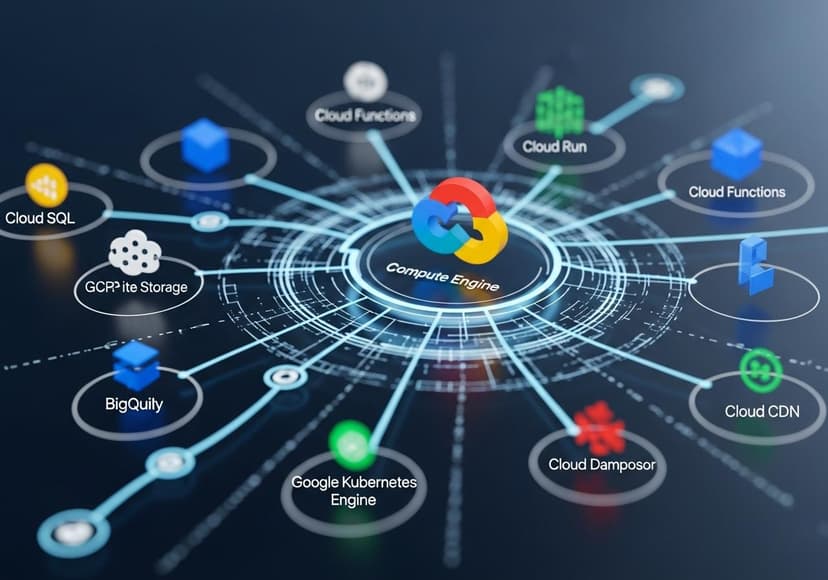
Cloud Storage is one of the most popular services that GCP offers. Pricing typically depends on the storage class (Standard, Nearline, Coldline, or Archive) that fits your needs. The more frequently accessed data generally costs more, while archival storage options are cheaper but come with different access fees.
The Compute Engine allows you to create and run virtual machines on Google’s infrastructure. Pricing varies based on the machine type, running time, and any additional storage and networking services you choose to add.
BigQuery is a powerful data warehouse solution. Its pricing is based on the amount of data processed during queries, which encourages efficient data management and optimization practices.
For relational databases, Cloud SQL is a go-to. Its pricing varies based on factors such as database engine, instance type, storage, and network usage.
Cloud Functions are serverless options that enable you to run your code in response to events. You pay based on the number of invocations and the resources consumed during execution. This means you only pay for what you use.
Cloud Run allows you to deploy containerized applications. Costs here are based on the resources your container uses while processing requests, allowing you to keep costs down during idle times.
If you prefer orchestrated solutions, Google Kubernetes Engine (GKE) may be your choice. The pricing accounts for the number of nodes, storage used, and other associated resources.
Using a Content Delivery Network (CDN) can enhance your application's performance. Charges here are based on the amount of data served from CDN edge caches.
For big data processing, Cloud Dataproc offers a cost-effective solution. You pay per second for the compute resources utilized, which can help manage costs effectively.
Cloud Composer, Google’s fully managed workflow orchestration service, is a favorite for developers. Its pricing structure is based on the number of hours the underlying resources are used, providing flexibility for projects at varying scales.
Making the Most of Your GCP Investment
To maximize your investment in GCP, it’s essential to monitor usage and adjust configurations based on your business needs. Tools like Cloud Status can help you keep track of your services' performance, ensuring you make informed decisions.
As your needs evolve, you can pivot and adjust your usage strategies to optimize costs and enhance performance across all services.
Plus, collaborating with experts can provide deeper insights into how to effectively utilize these resources with targeted training sessions, community events, and webinars available online.
Success Stories with GCP
Many companies have successfully migrated to GCP and have seen significant benefits. For an insight into who’s using Google Cloud, check out this comprehensive list of companies that use Google Cloud. Learning from their experiences can inspire your cloud journey and show you paths to success.
Final Thoughts
Google Cloud Platform is an excellent choice if you're considering cloud solutions for your business. With comprehensive tools, powerful pricing structures, and dependable support, GCP stands ready to cater to various cloud needs. Remember to factor in ongoing costs when budgeting, especially crucial components like Cloud Composer Pricing, to ensure that you make the most of your invested resources.
Whether you're just starting out with cloud computing or looking to enhance an existing infrastructure, Google Cloud has something to offer, making it worth exploring!
Related Posts
21 Month 0 Percent Balance Transfer Offer
Enjoy 21 months without interest, helping you manage debt and save on interest charges.

Best Accounting Software For Mac
Good accounting software streamlines finances, offering efficient tracking, reporting, and management for businesses effectively.

Best No Annual Fee Credit Cards To Consider
Explore top-tier credit cards without annual fees, offering valuable rewards and benefits, ideal for smart spending.