
Factors Affecting Blue Book Value
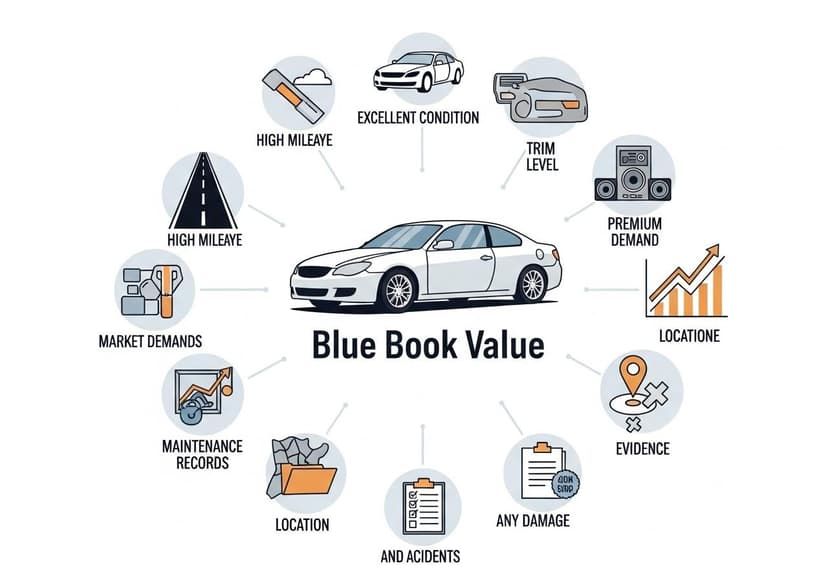
Depreciation, mileage, and condition impact the blue book value, determining a car's worth in the market.
What is Blue Book Value?
The Blue Book value is an essential guide for car buyers and sellers. It provides an estimate of a vehicle's market value based on various factors that influence pricing. Understanding the factors affecting Blue Book value can help you make informed decisions, whether you're buying or selling a vehicle.
Service History: The Key Player
One of the most crucial factors contributing to a vehicle's Blue Book value is its service history. A well-documented service history shows prospective buyers that the vehicle has been cared for. Regular maintenance such as oil changes, brake replacements, and other services suggest reliability. If you have kept meticulous records, you're likely to see a higher value than someone who hasn't.
Depreciation: The Inevitable Downward Slide
Each car, regardless of its make or model, experiences depreciation. Typically, cars lose 20-30% of their value in the first year. After that, the depreciation rate often stabilizes, but factors like mileage and overall condition can accelerate this decline. Understanding depreciation is essential when considering the Blue Book value of your vehicle.
Mileage: A Double-Edged Sword
Mileage is a significant determining factor in Blue Book value. A car with low mileage suggests less wear and tear, which can boost its value. Conversely, high mileage often translates to a lower valuation since it indicates possible future repairs. Buyers frequently look for vehicles that have been gently used, and if you can prove that your vehicle has seen fewer miles, its Blue Book value will reflect that favorably.
Condition: It Speaks Volumes
The overall condition of the vehicle also plays a vital role in determining its Blue Book value. A car that appears clean, has few scratches, and comes with its original paint will fetch a better price. On the other hand, if a vehicle shows signs of neglect, the value will take a hit. Regular cleanings, waxing, and timely repairs can dramatically improve the condition and, in turn, the Blue Book value.
Make and Model: The Differences Matter
The make and model of a vehicle can significantly affect its Blue Book value. More reputable brands often have better resale values than others. Luxury brands or performance models tend to hold their value longer, while economy brands may depreciate more quickly. It’s worth considering the brand reputation when valuing your car.
Trim Level and Options: Tailoring to Preference
The trim level and additional options or features can make a substantial difference in the Blue Book value. For example, a base model may be worth less than its fully-loaded counterpart equipped with advanced technology, premium sound systems, or leather seats. When you compare prices, you’ll see that customization can significantly enhance resale value.
Market Demand: The Supply and Demand Equation
Market demand plays a crucial role in determining dealership reimbursements and Blue Book values. If a particular make and model is in high demand, you can expect its Blue Book value to increase correspondingly. Seasonal fluctuations and economic factors can also shift market demand, making this an ever-changing aspect of vehicle valuation.
Location: Geography Matters
Your location can impact your vehicle’s Blue Book value. Urban areas might command higher prices due to the lack of space for cars and a denser population looking for vehicles. Meanwhile, rural areas might have lower demand, affecting values negatively. Factors like local climate and terrain can also influence which types of vehicles are more desirable.
Maintenance Records: Proof of Care
Maintenance records serve as tangible proof of how well your vehicle has been maintained over the years. These documents can be a big selling point and show that the car wasn’t just driven haphazardly. A well-maintained vehicle not only attracts buyers but can also lead to a more favorable Blue Book value. It’s wise to keep all maintenance receipts and service documentation in one organized place.
Accidents: The Red Flags
While some accidents may not be severe, they can still impact a vehicle's value. Even a minor fender-bender can cause prospective buyers to hesitate, as they may worry about hidden damage. If a car has a clean accident history, it can elevate its Blue Book value. Therefore, full disclosure is important when selling a vehicle.
Final Thoughts
Understanding the factors affecting Blue Book value can empower you to make better decisions, whether you're buying or selling a vehicle. From service history to market demand, every aspect plays a part in determining the appraisal. For detailed insights, many turn to NADA to check vehicle values consistently and ensure they are informed throughout the process.
So, if you’re in the market to buy or sell, keep these factors in mind. Your vehicle's value isn't just a number—it's a reflection of its journey and the care you've given it. Happy driving!
Related Posts

0 Down Suv Lease Deals
Explore affordable SUV leases with zero down payment options, offering convenience and financial flexibility for drivers.
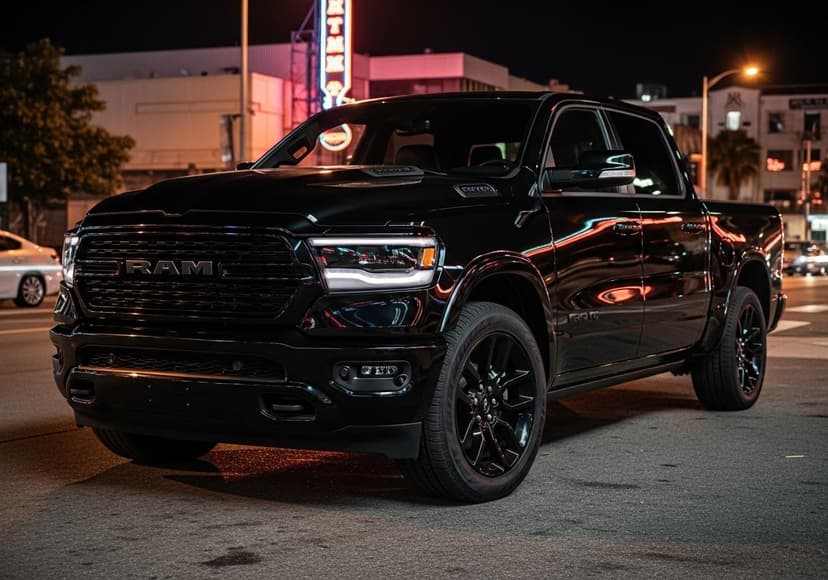
1500 Ram Night Edition Review
The Night Edition boasts a bold look with dark accents. It has impressive towing and a refined interior.
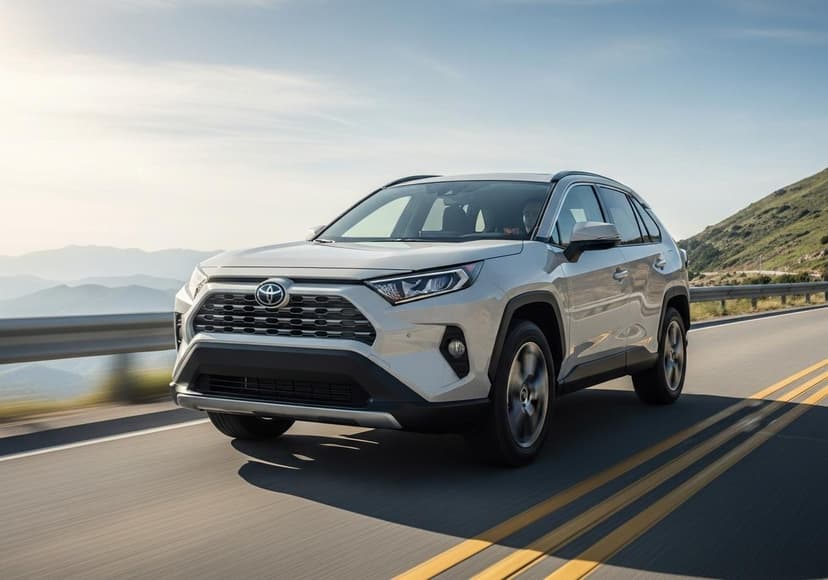
2020 Crossovers Toyota Rav4
The compact crossover features impressive fuel economy, spacious interior, and advanced safety features, making it a popular choice.