
Ethical Considerations In Analytics
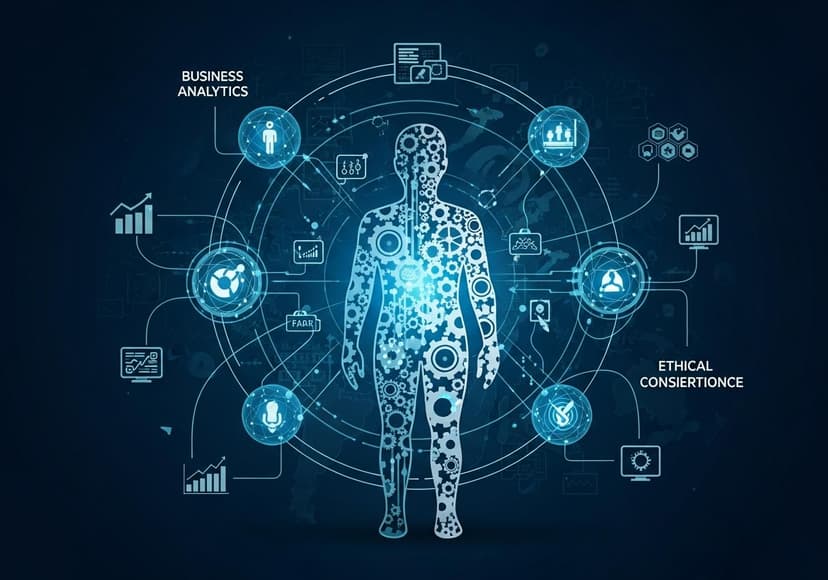
Business Analytics Masters must address fairness, privacy, and transparency for responsible data use and ethical implications.
In our data-driven world, where Big Data fuels decisions across various industries, understanding the ethical implications of data engineering has never been more critical. From business analytics to artificial intelligence (AI), the insights we derive from large datasets can profoundly impact individuals, communities, and organizations. But with great power comes great responsibility, and it’s essential to navigate the complexities of ethical analytics.
The Importance of Ethical Standards
One of the biggest concerns in data science and data mining is the potential for bias and discrimination. Algorithms, trained on historical data, can perpetuate existing inequalities if they aren’t designed with care. For instance, if a machine learning model is trained on biased data, it may produce skewed results that unfairly disadvantage specific groups. As data professionals, we need to commit to upholding ethical standards, ensuring that our models promote fairness and equity. This commitment is vital in areas like predictive analytics and business intelligence, where the stakes can be incredibly high.
Data Privacy: A Cornerstone of Ethical Analytics
Data privacy is another cornerstone of ethical analytics. With the proliferation of technology, personal data has become incredibly accessible. An essential question emerges: How much do we know about the data we collect, and how do we protect sensitive information? When engaging in statistical analysis or developing deep learning models, it’s critical to anonymize personal data to guard against privacy violations. Companies should follow guidelines and regulations such as the GDPR to ensure that they handle personal information responsibly. Not only does this protect consumers, but it also fosters trust and loyalty in the long run.
Equity and Accessibility in Analytics
Accessibility is another ethical dimension that deserves attention. As we harness the power of analytics to derive insights, we must also consider who benefits from this information. Can small businesses access the same analytics tools as large corporations? How can we ensure that insights derived from data are shared equitably? By developing user-friendly data visualization techniques, we can create tools that are accessible to a broader audience. It’s vital to democratize analytics so that everyone, from grassroots organizations to giant corporations, can leverage their data in meaningful ways.
The Ethical Use of AI and Machine Learning
The rise of artificial intelligence and machine learning brings exciting opportunities but also ethical challenges. As these technologies evolve, they tend to operate in a black box, making it difficult for us to understand how decisions are made. Transparency is key: data engineers and analysts should strive to explain their methodologies and the reasoning behind specific outcomes. This approach will cultivate trust, particularly in critical sectors like healthcare, where decisions can significantly affect lives.
Developing Ethical Frameworks in Data Engineering
To navigate the ethical complexities of analytics, companies should develop robust ethical frameworks. Collaborating with stakeholders across various departments—such as compliance, legal teams, and even diverse community representatives—can provide insights into the implications of analytics on different groups. Integrating ethics into the training of data professionals is essential, especially for those involved in deep learning and predictive analytics. Courses like the Master of Business Analytics at the University of Michigan teach students not only the technical skills required but also the ethical considerations necessary for responsible analytics.
Case Studies of Ethical Failures
Many high-profile cases have highlighted the consequences of neglecting ethical considerations in analytics. Take, for instance, the controversial use of facial recognition technology, where biases led to racial profiling and misidentifications. This example emphasizes the pressing need for rigorous testing and ethical oversight when implementing data mining and machine learning algorithms. Such failures can damage reputations, harm communities, and lead to significant legal repercussions. By examining these pitfalls, organizations can identify best practices that reinforce ethical standards.
The Role of Continuous Education in Ethics
As technology evolves, so do the ethical dilemmas we face in analytics. Continuous education is necessary to keep professionals updated on both technical skills and ethical considerations. Programs like the Master of Science in Business Analytics at the University of Washington focus on equipping future data scientists with a comprehensive understanding of both business analytics and ethical practices. It’s crucial that those involved in data engineering undertake initiatives that prioritize not just what we can do with data, but what we should do.
Conclusion: A Call for Ethical Analytics
As we continue navigating the landscape of big data and analytics, we must be vigilant in addressing the ethical considerations inherent in our work. By advocating for transparency, ensuring data privacy, promoting accessibility, and upholding fairness, we can harness the power of analytics for good. The responsibility lies with us, the data professionals, to lead the charge toward ethical practices. If we do so, we can not only drive successful outcomes for businesses but also create a more equitable data-driven world. Diving deeper into the ethical dimensions of our craft isn't just a requirement—it's an opportunity to reshape the future responsibly.
For more information on developing ethical business insights, you can check out programs such as the Business Analytics program at the University of Maryland, which emphasizes ethical frameworks alongside technical expertise.
Related Posts

10 Foods To Lower Your A1C
Incorporating specific foods, like those rich in fiber, can significantly help manage and decrease A1C levels effectively.

20 Article Titles For Isn Certification For Contractors
Contractors' ISNetworld certification ensures safety, compliance, and qualification, mitigating risks, and promoting worksite excellence and reliability.

20 Article Titles For Isn Certification For Contractors
ISNetworld certification ensures contractor compliance, promoting safety and reducing risks across diverse projects and industries.