
Designing A Senior Friendly Co Living Home
Guide fosters senior community with thoughtful design. It supports shared living promoting wellness and social interaction.
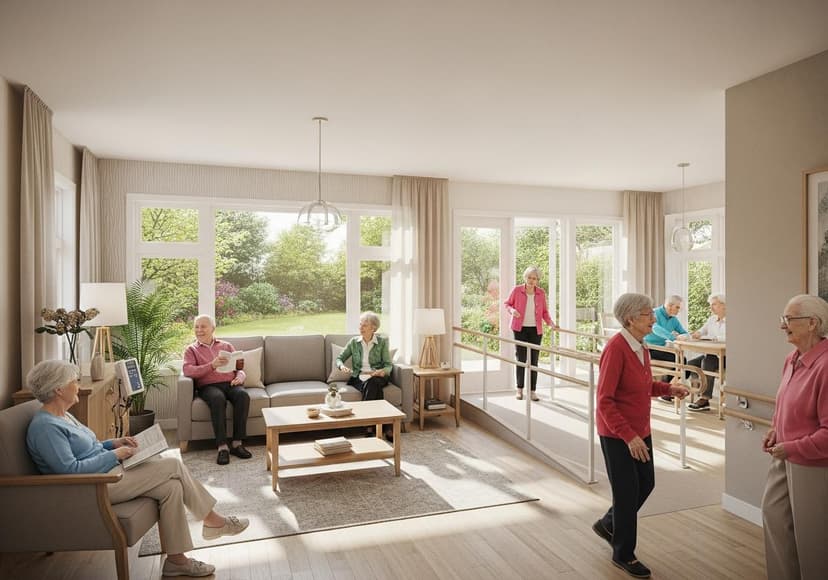
As we age, the need for a comfortable and functional living space becomes more important than ever. Creating a Senior Friendly Home is essential for ensuring that our elderly loved ones can thrive while also promoting independence and well-being. Senior Co-living has emerged as a viable solution for many, providing both community and support through shared spaces and amenities. In this blog post, we will explore the critical design elements for creating a senior-friendly co-living environment that meets the diverse needs of seniors.
The Concept of Senior Co-living
Senior co-living is not just about shared housing; it’s about crafting a sense of community among residents. In a world where loneliness can be a significant issue for seniors, co-living arrangements foster social interaction while providing a comfortable environment. Seniors who live in shared housing often develop lasting friendships, combatting feelings of isolation and encouraging a lifestyle that embraces Community Living.
Notably, these co-living arrangements can enhance Elderly Care by allowing residents to assist each other with daily activities, creating an informal support system. With accommodations designed for Aging In Place, seniors can remain in a familiar environment while enjoying the security of knowing they have company and help when needed.
Emphasizing Universal and Accessible Design
When designing a senior-friendly home, it’s crucial to incorporate Universal Design principles. This means creating a space that can be used comfortably by people of all ages and abilities. Accessibility is key in every aspect of the layout — from entryways wide enough for wheelchairs to bathrooms that accommodate those with mobility issues. Accessible Design not only facilitates day-to-day living but also demonstrates a commitment to inclusivity.
Features like grab bars in the bathroom, elevated toilets, and non-slip flooring can dramatically enhance safety for residents. By integrating these design elements from the beginning, you reduce the need for costly modifications later, which is especially important in Senior Housing where residents may have varying health needs.
Planning for Assisted Living and Dementia Care
If the co-living environment is designed for individuals requiring Assisted Living or Dementia Care, additional considerations must be made. Spaces should be both safe and stimulating, featuring areas for cognitive engagement that encourage memory and interaction. Features such as well-lit communal gathering areas, gardens, and dedicated activity rooms can foster socialization while also catering to therapeutic needs.
Thoughtful layouts that provide clear visibility to common areas also aid in reducing confusion for those with dementia. Implementing color-coded paths or signs can help seniors navigate their environment with more ease and independence. These adjustments play a vital role in enhancing the quality of life and ensuring that the space meets the needs of all residents.
Shared Housing Benefits for Seniors
Shared housing arrangements are beneficial for numerous reasons, particularly in terms of financial savings and access to resources. Senior Apartments that incorporate shared facilities can help reduce living costs, making it more practical for seniors on fixed incomes. Furthermore, combining finances allows residents to access quality services that they might not afford independently.
Beyond the financial aspect, shared housing encourages collaboration and the exchange of skills among residents. Activities like cooking communal meals, engaging in group exercises, or participating in workshops can create bonding experiences, significantly enhancing the daily lives of seniors. Overall, shared housing promotes a lifestyle that is enriching, resource-efficient, and socially active.
Building Community Through Resources
Cultivating a sense of community goes beyond the design of the living space. It involves creating an environment that draws seniors together and fosters long-lasting connections. Housing providers should consider incorporating spaces for gatherings or activities that highlight communal interests and hobbies.
It’s equally vital to connect residents with local resources such as healthcare services, wellness programs, and recreational activities. As mentioned in this Senior Housing Guide, leveraging local amenities can significantly enhance the offerings of a senior co-living community.
Creating a Safe and Comfortable Atmosphere
Safety should always be a top priority when designing a Senior Friendly Home. From installing appropriate lighting to ensuring secure entry points, every element should contribute to a feeling of safety for residents. Additionally, creating an environment that feels cozy and inviting will make residents feel more at home.
Landscaping can also play a role in fostering comfort. Outdoor spaces with gardens, walking paths, and seating areas encourage outdoor activities, which can positively impact mental and physical health. Incorporating nature into living spaces has shown to reduce stress and promote an overall sense of well-being among seniors.
Conclusion
Designing a senior-friendly co-living home requires careful planning and intention. By integrating features that promote safety, accessibility, and community, we can create environments where seniors can age gracefully while remaining connected to others. The focus on Elderly Care alongside Universal Design principles will ensure that co-living homes not only meet the immediate needs of residents but also enrich their lives in meaningful ways.
For further exploration on sustainable designs and community living for seniors read more in this research article. Emphasizing collective living for seniors opens the door to a brighter, more connected future.
Related Posts
2 Bedroom Senior Living A Cozy Retirement
Enjoy comfortable, spacious two-bedroom senior living options, perfect for relaxed, fulfilling retirement years.
62 Plus Apartments You Can Trust Guide
Find apartments near you by researching online listings, checking local resources, and verifying community reviews.

Address Lookup Home Value Estimates
Find estimated home values by address. Access property data for informed real estate decisions and market insights.