
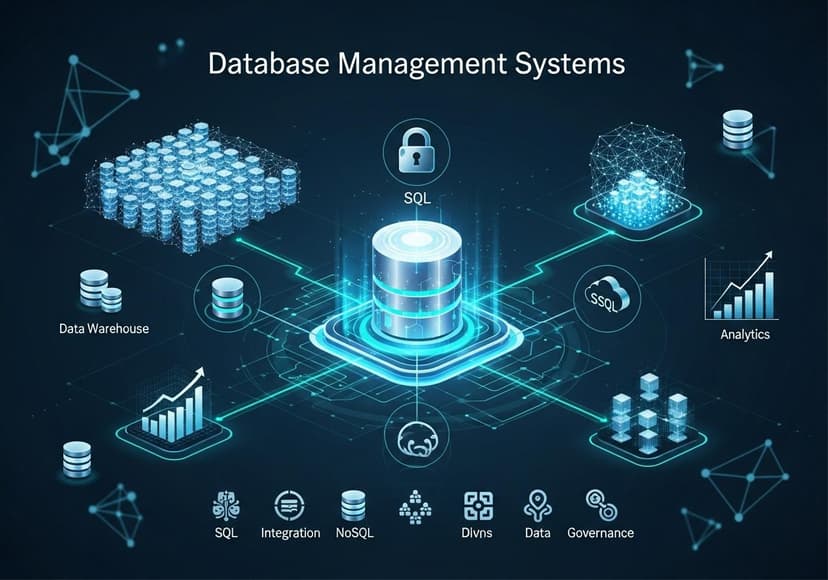
Database Management Systems An Overview
Efficiently managing data, these programs facilitate storage, retrieval, and manipulation while ensuring data integrity.
The realm of technology is vast, filled with terms that often confuse those not deeply entrenched in the field. One of these terms is "Database Management Systems" (DBMS). But what exactly does this mean and why should it matter to you? In this blog post, we'll outline the importance of database management systems and delve into key concepts related to them, including "data governance", "data security", "cloud databases", and more.
What is a Database Management System?
A Database Management System (DBMS) is a software suite designed to facilitate the management of databases. It provides the tools needed for creating, storing, updating, and retrieving data efficiently. Imagine trying to organize your music playlist without any tech—the DBMS essentially offers a systematic way to handle complexities with data in a user-friendly environment.
SQL and NoSQL: Two Approaches
When discussing databases, most people come across two primary categories: "SQL" and "NoSQL" databases. SQL, or Structured Query Language, is used for relational databases where the data can be structured into tables with defined relationships. On the other hand, NoSQL is a more flexible alternative that accommodates a variety of data formats, including unstructured data. This flexibility makes NoSQL a popular choice among managing big data.
Choosing between SQL and NoSQL depends largely on your business needs. If your application requires complex queries and transactional integrity, SQL is your best bet. However, if you're dealing with rapidly changing data formats, you might find a NoSQL database suits your requirements better.
The Role of Data Governance
With the vast amounts of data generated today, "data governance" plays a pivotal role in ensuring that data is accurate, available, and secure. The principles of data governance encompass policies and processes designed to manage data integrity. It not only lays the groundwork for good decision-making but also fosters trust in data-driven initiatives. Well-governed data can lead to effective "data analytics", a crucial component for implementing "business intelligence" strategies.
Data Security: Protecting Your Assets
In today's digital landscape, "data security" is more vital than ever. A DBMS must incorporate stringent security measures to protect sensitive information. This includes user authentication, data encryption, and regular backups. Neglecting these security protocols can lead to catastrophic data breaches, undermining both customer trust and business integrity.
Cloud Databases: A Modern Solution
As we move towards a more digital world, businesses are increasingly opting for "cloud databases". These databases are hosted on cloud platforms, enabling easy access and scalability, ideal for businesses that experience fluctuating data storage needs. They are especially beneficial for organizations with remote teams, allowing for seamless data integration and collaboration.
The advantages of cloud databases extend to cost effectiveness, as they typically reduce upfront infrastructure costs. Popular cloud database providers include AWS, Google Cloud, and Microsoft Azure, each offering unique features to meet diverse business needs.
Data Warehousing: A Key to Insights
Another integral component to consider is "data warehousing". A data warehouse serves as a central repository of integrated data from one or more disparate sources. Over time, it becomes indispensable for analytics and reporting, enabling businesses to generate vital insights and steering them towards informed decision-making. It bridges the gap between raw data and actionable analytics.
Big Data and Data Analytics
Speaking of analytics, let's not forget the importance of "big data" and "data analytics" in today's environment. With more data than ever being generated, the ability to analyze this immense volume informs strategic planning and operational efficiencies. Big data techniques can help in uncovering patterns and correlations that lead to enriched business intelligence.
Organizations leverage data analytics to identify trends, improve customer experiences, and drive profitability. The volumes of raw data collected are transformed into actionable insights that fuel growth and innovation.
Data Integration: Making It All Work Together
Lastly, "data integration" is essential to streamline data flow across various systems and applications. When different data sources communicate effectively, the overall efficiency of the operations improves substantially. It allows businesses to have a more holistic view and ensures better alignment in data governance and analytics efforts.
Database Administration: The Backbone of Data Management
At the core of all these concepts is "database administration". Database administrators (DBAs) are responsible for installing, configuring, and maintaining databases such that they operate smoothly and securely. Their role includes monitoring performance, troubleshooting issues, and ensuring data integrity and accessibility. It's a dynamic position requiring a blend of technical skills and strategic thinking.
As the data landscape continues to evolve, the importance of effective database administration cannot be overstated. Staying informed about the latest tools and technologies while adapting to the ever-changing data requirements is crucial for DBAs today.
Conclusion
In conclusion, understanding "Database Management Systems" and the associated concepts like "data governance", "data security", and "data analytics" is crucial for anyone looking to navigate the complexities of modern data management. With the right systems in place, organizations can harness the power of their data for enhanced decision-making and growth. For those keen on diving deeper into the world of database management, you can check out Quest's database management solutions, Fayetteville Technical Community College's offerings, and Long Beach City College's resources.
Related Posts
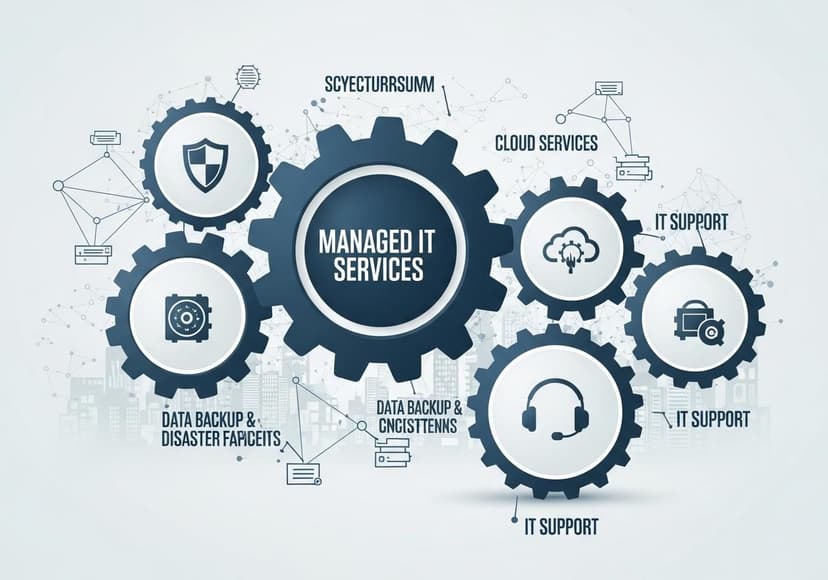
5 Ways To Improve Your Companys It Managed Services
Optimize IT managed services by focusing on automation, security, and proactive monitoring to enhance efficiency.
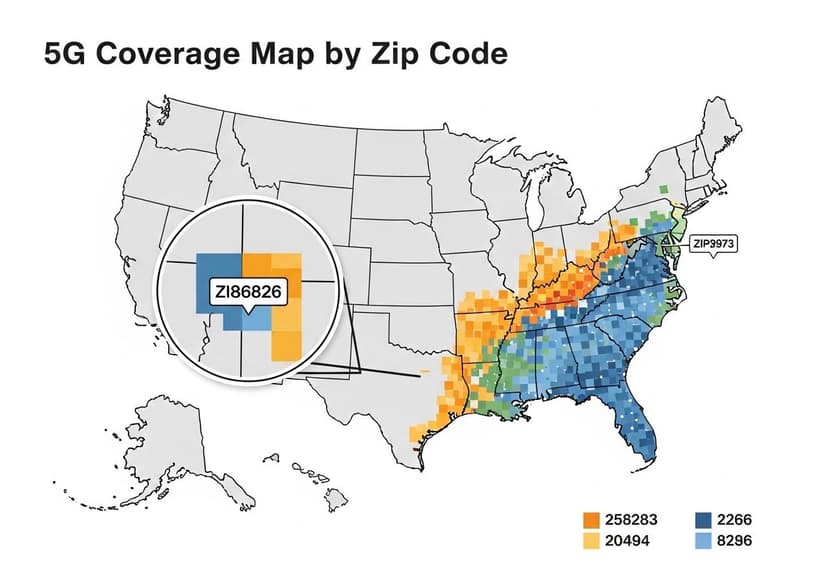
5G Coverage Map By Zip Code
Find detailed 5G coverage information by zip code, including availability and service quality.

5G Internet The Future Is Now
Enhanced speeds and connectivity redefine digital landscapes. Its impact spans industries, connecting everyone globally.