
Data Security A Comprehensive Playbook
Implement robust data security solutions to safeguard information, ensuring privacy, compliance, and mitigating potential breaches.
Understanding Data Security
In today's digital age, data is one of the most valuable assets for any organization. As businesses increasingly rely on data to drive decision-making and strategy, the need for robust data security solutions has never been more critical. This playbook serves as a guide to understanding different facets of data security, the challenges organizations face, and how to implement effective practices that will protect sensitive information from unauthorized access and breaches.
The Role of Cybersecurity
Cybersecurity encompasses a broad set of measures aimed at protecting computer systems, networks, and data from cyber threats. It includes policies and processes that defend against cyber attacks and data breaches, ensuring that organizations can operate securely and efficiently. A strong cybersecurity framework needs to be tailored to the specific needs of a business and should address various aspects of security, including network security, endpoint security, and cloud security.
Data Loss Prevention Strategies
Data loss prevention (DLP) is vital for any organization. DLP solutions help monitor, detect, and protect sensitive data from accidental or malicious loss or exposure. By implementing DLP strategies, organizations can mitigate risks associated with data leaks or breaches. Incorporating technologies that enforce data protection policies, such as encryption and access controls, is fundamental to a successful DLP plan.
Network and Endpoint Security
Network security focuses on safeguarding the network infrastructure and ensuring the integrity and privacy of data transmitted over networks. This includes employing firewalls, intrusion detection systems, and encryption techniques to protect against unauthorized access. Conversely, endpoint security refers to securing individual devices connected to the network, such as laptops, smartphones, and desktops. Regular software updates and endpoint protection software are essential in maintaining a secure environment.
Cloud Security Measures
As organizations increasingly shift to cloud computing, implementing strong cloud security measures is essential. Data stored in the cloud needs to be protected from unauthorized access and cyber threats. Utilizing encryption and implementing rigorous access controls will keep data safe while enabling users to work collaboratively. Moreover, ensuring that cloud service providers follow industry standards and regulations is critical for maintaining compliance.
Security Information and Event Management
Security Information and Event Management (SIEM) solutions collect, analyze, and report on security-related data from various sources within the network. SIEM helps organizations identify anomalies and potential security threats in real-time. By integrating SIEM with threat detection mechanisms, businesses can respond swiftly to incidents before they escalate into significant breaches.
Threat Detection and Vulnerability Management
Threat detection is about identifying different types of risks that could compromise data security. It involves observing network traffic, monitoring user behavior, and deploying metrics that can highlight potential weaknesses. In tandem, vulnerability management is the process of continuously identifying, classifying, and addressing security vulnerabilities within an organization’s IT environment. Regular assessments and updates to security protocols are key to maintaining a resilient security posture.
Incident Response Plans
An effective incident response plan allows organizations to act quickly and efficiently in the aftermath of a data breach or security incident. A well-structured response incorporates procedural steps for containment, eradication, recovery, and post-incident analysis. Regular drills should be conducted to ensure the team is prepared for real-world scenarios. Additionally, documenting and analyzing incidents helps refine processes and bolster future defenses.
Importance of Security Awareness Training
Security awareness training serves as frontline defense against potential threats. Employees are often the weak link in security practices; thus, educating them about the latest threats and prevention methods is crucial. Engage employees with frequent training and awareness campaigns that discuss data protection practices, phishing recognition, and safe browsing behaviors.
Encryption: Your Data's Best Friend
At the core of data security, encryption stands as the foremost tool for protecting sensitive information. Encryption converts data into a coded format that is unreadable without a decryption key, thus providing a strong layer of protection against unauthorized access. Whether at rest or in transit, ensuring that data is encrypted curtails the risks associated with data breaches. Businesses that dedicate resources to robust encryption protocols can be confident in their data security strategy.
For more insights on data security solutions, consider checking out these resources: Varonis and Top 10 Data Security Solutions.

Related Posts

20 Cloud Security Services You Should Consider
Protecting cloud infrastructure is crucial. Explore essential security services, encompassing data, threat detection, and compliance.

Cloud Security Posture Management Tools You Should Know
Assess and improve your cloud security. Enhance compliance and detect misconfigurations for robust protection.
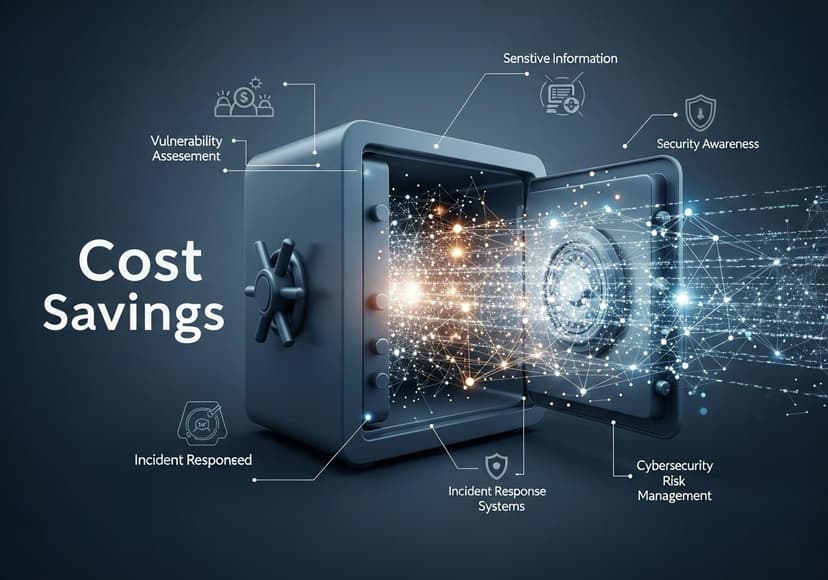
Cost Savings The Financial Benefits Of Cybersecurity Software
Cybersecurity software protects assets, minimizes breaches, ensuring business continuity, and reducing financial losses effectively.