
Data Integration To Small Business Success
Data integration software empowers small businesses, streamlining operations and boosting growth through efficient data management.
Understanding Data Integration
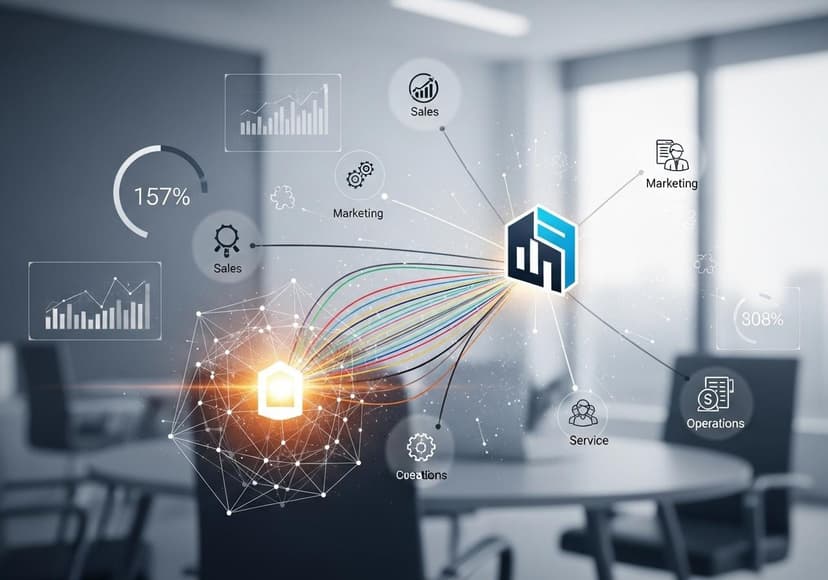
Data integration is more than just a buzzword; it’s the backbone of many successful small businesses today. By seamlessly combining data from different sources, enterprises can gain significant insights into consumer behavior, market trends, and internal performance. To put it simply, data integration software provides the tools for organizations to synchronize data and make it actionable, leading to improved decision-making.
Importance of Master Data Management (MDM)
At the core of data integration is Master Data Management (MDM). It ensures that the organization's critical data is consistent, accurate, and well-managed. This procedure is crucial for maintaining data quality over time, which in turn bolsters business intelligence. For small businesses, having a single source of truth for their data not only minimizes errors but also enhances operational efficiency.
ETL Tools: The Powerhouses of Data Integration
ETL (Extract, Transform, Load) tools are vital in the data integration landscape. They aid in extracting data from various sources, transforming it into a consistent format, and loading it into a destination database or data warehouse. Leveraging ETL tools can dramatically increase productivity by automating these processes, allowing businesses to focus on what truly matters: growth and customer satisfaction.
The Role of Data Warehousing
A data warehouse serves as a centralized repository for storing integrated data. It enables analysis and reporting, making it easier for businesses to extract valuable insights. By using data warehousing as part of their data strategy, small businesses can efficiently manage large volumes of data, thereby enhancing their decision-making capabilities.
Business Intelligence: Turning Data Into Insight
What’s the use of data if you can’t make sense of it? This is where business intelligence comes into play. This analytical process equips businesses with valuable insights derived from integrated data. Robust business intelligence solutions can help small businesses dissect trends, forecast demand, and optimize their operations, making them better equipped to compete in their markets.
Cloud Data Integration: Flexibility and Accessibility
With the rise of cloud computing, cloud data integration has become a game changer for small businesses. It enables real-time data access and removes geographical barriers. Companies can integrate their data across platforms without the need for heavy on-premise infrastructure. This flexibility is crucial for small businesses that often operate with limited resources.
Data Migration: The Transition Phase
Moving data from one system to another is termed data migration, and this can be a complex journey. However, with the right data integration strategy that prioritizes quality and governance, the transition can be smoother and more efficient. Proper migration ensures that data retains its value and usability, which is essential for ongoing operations.
API Integration: Connecting Systems
As businesses adopt various tools and platforms, API integration becomes increasingly important. This method allows different systems to communicate effectively, facilitating seamless data exchange. For small businesses, setting up API integrations can be a cost-effective way to enhance their data integration capabilities without a massive tech overhaul.
Real-Time Data Integration: Staying Ahead
In today's fast-paced world, the ability to access real-time data integration is vital. Small businesses can benefit greatly from having immediate access to current data, which enables them to make informed decisions quickly. Whether it’s tracking sales or managing inventory, real-time data integration allows for agility, which is critical in competitive markets.
Data Governance: Protecting Your Assets
Data governance refers to the management framework that ensures data integrity, quality, and security. For small businesses, it’s essential to establish strong governance practices. This means not only protecting sensitive data but also keeping a close eye on data quality throughout the integration processes.
Data Quality: The Foundation of Success
Data quality should never be compromised. Poor quality data can lead to misguided strategies and poor customer service. By prioritizing data quality, small businesses can ensure that the decisions they make are rooted in accurate, reliable information. Regular audits and continuous monitoring can help maintain high data quality standards.
Big Data Integration: Embracing The Future
As the digital landscape evolves, big data integration is becoming increasingly relevant for small businesses. By tapping into large datasets, companies can uncover hidden patterns and trends. Investing in big data strategies equips small businesses to harness this valuable asset, paving the way for enhanced competitiveness and success.
Resources for Further Exploration
If you’re looking for more information on the best tools and practices for data integration, check out this handy guide. It’s packed with useful insights on various data integration tools, including iconic ETL tools and their applications. Additionally, you can explore more about Cloud Data Integration solutions on Qlik’s platform, a leader in business intelligence. And, for a roundup of the best data integration tools available today, take a look at this resource.
Related Posts
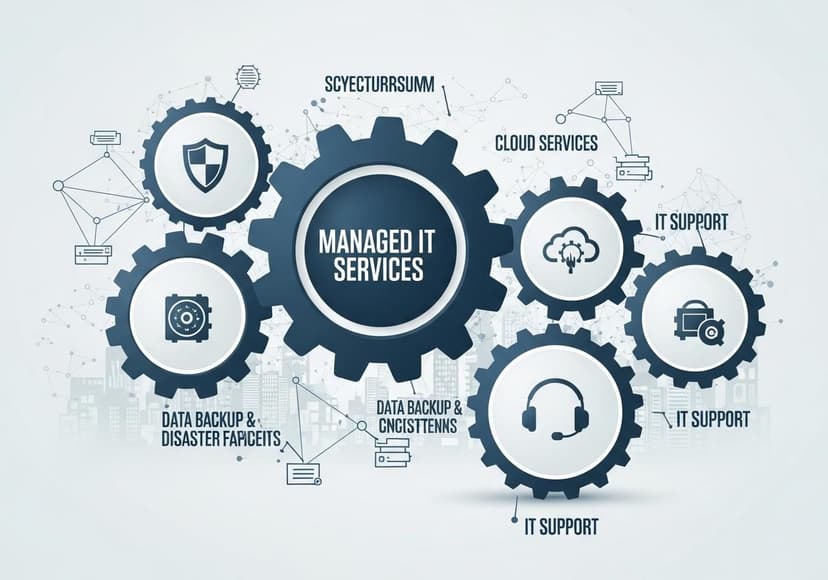
5 Ways To Improve Your Companys It Managed Services
Optimize IT managed services by focusing on automation, security, and proactive monitoring to enhance efficiency.
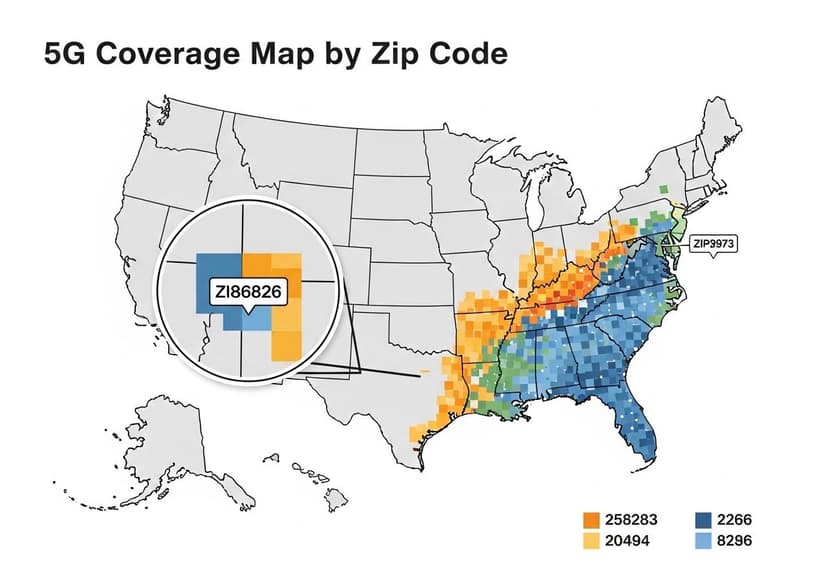
5G Coverage Map By Zip Code
Find detailed 5G coverage information by zip code, including availability and service quality.

5G Internet The Future Is Now
Enhanced speeds and connectivity redefine digital landscapes. Its impact spans industries, connecting everyone globally.