
Cloud Security Report Guide
Assess cloud security posture with detailed insights. Identify risks, vulnerabilities, and ensure compliance for effective protection.
Understanding Cloud Security
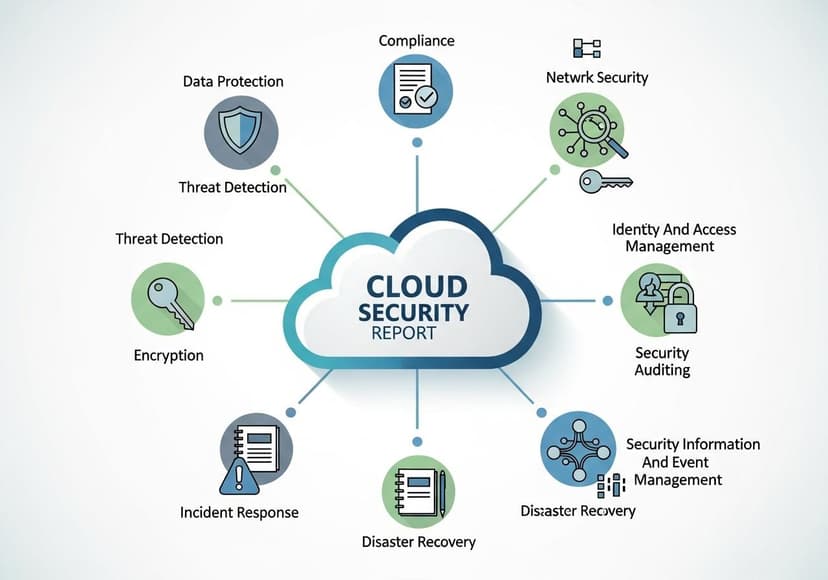
As businesses increasingly shift towards cloud-based services, understanding cloud security has never been more critical. With the digital landscape continuously evolving, organizations must prepare for sophisticated cyber threats. The Cloud Security Report 2025 is an essential resource that highlights key areas organizations should focus on to protect their cloud environments.
Data Protection Strategies
Data protection is at the forefront of cloud security. Businesses must ensure that sensitive data remains confidential and secure. Employing robust encryption techniques is a fundamental strategy to protect data, both at rest and in transit. Additionally, integrating identity and access management (IAM) solutions can enforce strict access controls since unauthorized access poses significant security threats.
Staying Compliant
Navigating the complexities of compliance regulations is crucial for organizations operating in the cloud. Different sectors have varying compliance requirements, such as HIPAA for healthcare or GDPR for data protection. Incorporating compliance into your cloud security strategy ensures that your organization not only protects data but is also shielded from potential legal repercussions. Leveraging resources like the 2025 Cloud Security Report can provide valuable insights into maintaining compliance.
Threat Detection and Incident Response
Threat detection is a proactive approach to identifying potential security breaches. By utilizing advanced technologies such as Security Information and Event Management (SIEM) systems, organizations can monitor real-time data and gather insights to detect anomalies quickly. An effective incident response plan ensures that when incidents occur, teams are prepared to respond swiftly to mitigate damage.
Vulnerability Management Practices
Regular vulnerability management practices are critical. Conducting routine scans of cloud infrastructure can help identify weaknesses before attackers exploit them. Continuous monitoring enables organizations to patch vulnerabilities and comply with security frameworks, enhancing overall cloud security. Regular check-ins and updates to your security measures can go a long way.
The Role of Security Auditing
Security auditing is another pivotal area of focus for organizations using cloud platforms. By performing detailed audits, teams can identify gaps in security implementations and assess compliance with legal regulations. These audits can reveal areas for improvement, helping to make informed decisions about necessary updates and enhancements.
Implementing Disaster Recovery Solutions
Despite meticulous planning, incidents can and do happen; therefore, having a solid disaster recovery plan in place is crucial. Comprehensive plans encompass strategies to recover lost data and restore services quickly in the event of a cyber incident. Collaborating with experts in recovery solutions can significantly streamline this process, giving businesses peace of mind regardless of their cloud consumption.
Network Security in the Cloud
Network security remains a fundamental aspect of cloud security. This involves protecting data as it travels through networks and requires a multi-layered approach, including next-generation firewalls, intrusion detection systems, and robust access controls. Organizations should also consider the use of encryption to secure data during transmission, ensuring that sensitive information remains protected from prying eyes.
Integrating Security Information and Event Management (SIEM)
The importance of Security Information and Event Management (SIEM) cannot be overstated in today's cyber threat landscape. SIEM systems aggregate and analyze security data from across your network while providing real-time insights and alerts. This empowers organizations to respond with accuracy and speed, ultimately enhancing their security posture. Investing in SIEM technology can turn mountains of data into actionable intelligence, allowing you to stay ahead of potential threats.
Conclusion
In summary, navigating the realm of cloud security is an ongoing journey that requires continuous effort and adaptation to evolving threats. By focusing on compliance, threat detection, and robust data protection strategies, organizations can build a stronger security framework. Utilize resources like the 2023 Cloud Security Report to keep your security strategies up-to-date and effective. Stay vigilant, stay informed, and protect your digital assets with confidence.
Related Posts

20 Cloud Security Services You Should Consider
Protecting cloud infrastructure is crucial. Explore essential security services, encompassing data, threat detection, and compliance.

Cloud Security Posture Management Tools You Should Know
Assess and improve your cloud security. Enhance compliance and detect misconfigurations for robust protection.
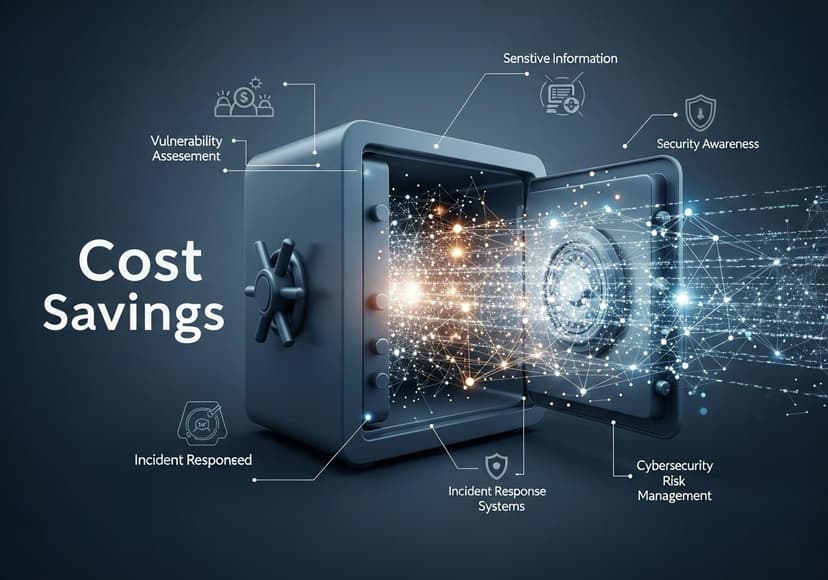
Cost Savings The Financial Benefits Of Cybersecurity Software
Cybersecurity software protects assets, minimizes breaches, ensuring business continuity, and reducing financial losses effectively.