
Cloud Data Security An Introduction
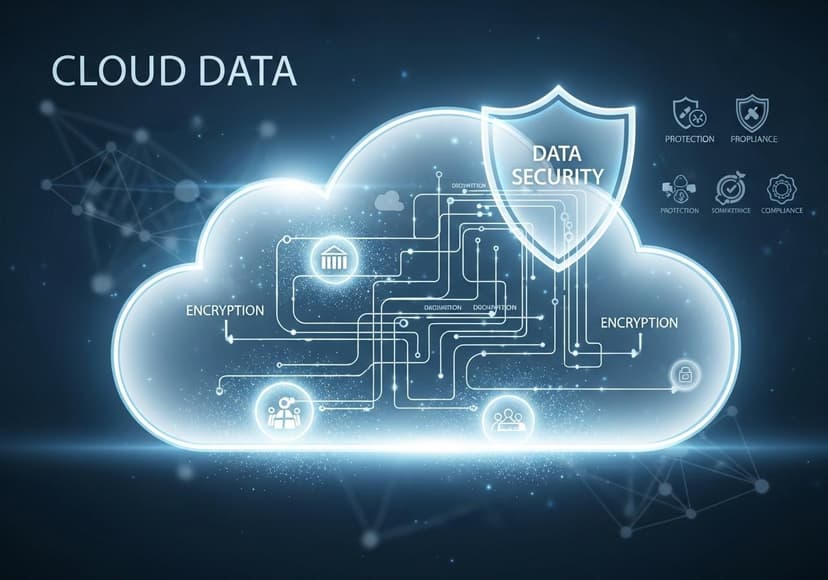
Protecting data in the cloud requires robust measures. Encryption, access controls, and compliance are essential aspects.
What is Cloud Data Security?
In an increasingly digital world, businesses are moving their operations to the cloud, raising the bar for Data Security measures. Cloud Data Security is designed to protect data stored in the cloud from unauthorized access, loss, or theft. It involves a combination of technologies, processes, and best practices to improve the security of sensitive information. For a deep dive into the core components of Cloud Data Security, check out this helpful resource on what cloud data security entails.
Understanding the Importance of Data Security and Data Protection
Effective Data Security is vital for maintaining the integrity, confidentiality, and availability of data. With a surge in cyber-attacks and data breaches, organizations must adopt robust Data Protection strategies to safeguard sensitive data stored in the cloud. This might include practices such as data encryption, implementing access control measures, and adhering to compliance standards. With proper Cybersecurity practices, businesses can both protect their data and boost customer confidence.
The Role of Cloud Security in Data Privacy
When organizations opt to store data in the cloud, Cloud Security becomes a critical concern. It encompasses various tools and policies designed to protect both the data and the cloud infrastructure. Data Privacy ensures that personal information is handled according to legal and ethical standards. An understanding of this balance is essential for organizations looking to thrive in a data-driven world. You can find more insight on this important topic at CrowdStrike's resource on Cloud Data Security.
The Importance of Encryption
One of the most effective methods for securing data in the cloud is encryption. This technology transforms readable data into an unreadable format, rendering it useless to unauthorized users. Whether you’re dealing with sensitive client information or proprietary business data, encryption serves as a fundamental layer of defense. By encrypting data both in transit and at rest, organizations can ensure a high level of Data Security and privacy.
Implementing Access Control Mechanisms
Access Control is a crucial aspect of Cloud Data Security. It regulates who can view or utilize resources in a computing environment. Organizations can adopt role-based access control (RBAC) or attribute-based access control (ABAC) to ensure that only authorized personnel can access sensitive data. This minimizes the risk of internal threats and strengthens overall Cybersecurity efforts. By restricting access, organizations can bolster incident response capabilities and ensure compliance with regulations.
Compliance: A Necessity, Not an Option
Compliance with industry standards and regulations is paramount for businesses handling sensitive data. Regulations such as GDPR and HIPAA impose strict guidelines on how data must be managed. Adhering to compliance requirements not only helps in safeguarding sensitive information but also shields organizations from legal repercussions. Failure to comply can lead to devastating financial losses and erode customer trust. By leveraging strong Data Security and Data Protection measures, businesses can position themselves effectively in their respective industries.
Threat Detection and Vulnerability Management
Threat detection is essential for identifying potential security threats before they can cause damage. Organizations should implement tools that continuously monitor their cloud environments for suspicious activity. Equally important is vulnerability management, which involves regularly scanning systems for weaknesses and applying patches or updates. By combining these approaches, organizations can significantly enhance their Cloud Data Security posture.
Incident Response: Your Safety Net in the Cyber World
Despite all preventative measures, security incidents can still occur. That’s where incident response comes into play. An effective incident response plan enables organizations to swiftly address security breaches and minimize their impacts. This typically involves identifying the breach, containing it, eradicating the threat, and recovering from the incident. Additionally, organizations should conduct post-incident analyses to learn from their experiences and strengthen their defenses against future attacks.
Conclusion
In the age of digital transformation, understanding Cloud Data Security is indispensable. By implementing strong Cybersecurity measures such as encryption, access control, compliance strategies, and an effective incident response plan, organizations can navigate the complexities of the cloud environment with confidence. Remember that safeguarding data is not just about technology; it also involves fostering a culture of security awareness and vigilance within your organization. For more insightful information on Cloud Data Security, visit another detailed guide at CrowdStrike.
Related Posts

20 Cloud Security Services You Should Consider
Protecting cloud infrastructure is crucial. Explore essential security services, encompassing data, threat detection, and compliance.

Cloud Security Posture Management Tools You Should Know
Assess and improve your cloud security. Enhance compliance and detect misconfigurations for robust protection.

Cost Savings The Financial Benefits Of Cybersecurity Software
Cybersecurity software protects assets, minimizes breaches, ensuring business continuity, and reducing financial losses effectively.