
Cloud Backup A Comprehensive Guide
It offers data protection, disaster recovery, and data management solutions using cloud backup services for your data.
What is Cloud Data Backup?
Cloud Data Backup is a method of storing your valuable data on remote servers instead of keeping everything on your physical devices. Using Cloud Backup Services, individuals and businesses can ensure their data is protected and accessible. In today's digital age, where data is vital for both personal and business use, understanding how to effectively use these backup solutions is crucial.
The Importance of Data Protection
With the rise in cyber threats, data protection has become more important than ever. Backup solutions that utilize cloud storage become essential, providing peace of mind that your data is safe from accidental deletion, hardware failures, and even cyber attacks. By implementing reliable online backup strategies, you ensure business continuity and a strong defense against data loss.
Types of Cloud Backup Solutions
There are various types of backup solutions available, including full backups, incremental backups, and differential backups. Each of these methods serves different needs. For instance, incremental backups save only the changes made since the last backup, which can be efficient in terms of storage and speed. Understanding these can help you choose the right approach for your data backup needs.
Benefits of Cloud Storage for Data Backup
Using cloud storage for data backup offers numerous advantages. One major benefit is accessibility – you can access your data from anywhere and on any device, as long as you have an internet connection. This flexibility is especially useful for businesses with remote teams. Additionally, cloud storage scales easily, allowing your backing up to grow with your data needs.
Understanding Offsite Backup
Offsite backup refers to storing copies of data in a physical location separate from your primary site. Cloud backup services excel in providing offsite solutions, facilitating data recovery should a disaster strike. By utilizing disaster recovery protocols integrated into many cloud backup systems, you can react swiftly to unforeseen circumstances like natural disasters or ransomware attacks, helping safeguard your business.
Data Recovery Processes
The data recovery process can vary significantly between cloud backup providers. Most reputable services make the recovery process straightforward, allowing you to restore lost or corrupted data with just a few clicks. Having a reliable restoration plan is crucial for business continuity, ensuring minimal downtime in the event of a data loss situation.
Integrating Cloud Backup into Your Business Strategy
For businesses, integrating cloud data backup into your strategy is essential. It not only enhances cybersecurity but also reinforces overall data protection. Many services come with features such as encryption and multi-factor authentication, ensuring that your data is immune to unwanted breaches. Furthermore, using services like Carbonite can simplify the process and give businesses a reliable safety net for their data.
Choosing the Right Cloud Backup Service
With so many options available, selecting the right cloud backup service may seem overwhelming. When evaluating services, consider the storage capacity, security features, customer support, and pricing. It’s also beneficial to read reviews and conduct evaluations to determine which service aligns best with your needs. Some popular services include Microsoft OneDrive, as mentioned on its official page.
Staying Updated with Technology
Cloud technology continues to evolve rapidly. Companies should stay updated with the latest enhancements in data protection and backup solutions. Regular audits of your cloud backup process can ensure you are using the best available technology and methods for cyber security and data recovery, protecting your information from evolving threats.
Conclusion: The Future is in the Cloud
As technology progresses, the shift towards cloud data backup will only become more prominent. Incorporating robust cloud backup services into your data protection strategy will ensure you are well-equipped to handle potential data loss scenarios. With the right approach, using cloud storage for your backups can significantly benefit your personal and business continuity efforts for years to come.

Related Posts
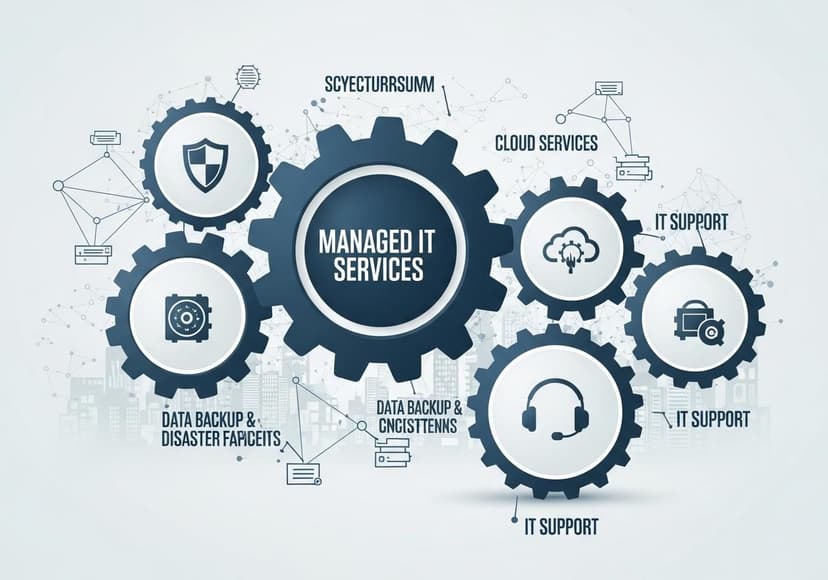
5 Ways To Improve Your Companys It Managed Services
Optimize IT managed services by focusing on automation, security, and proactive monitoring to enhance efficiency.
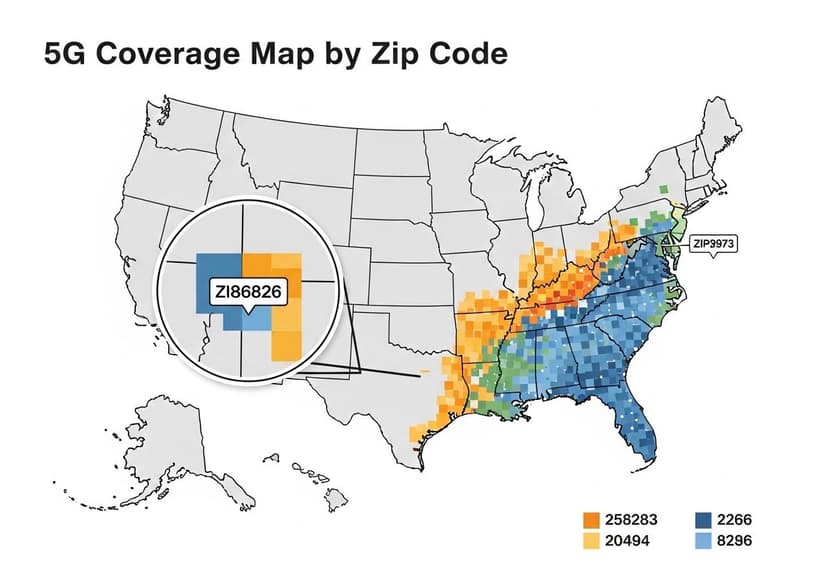
5G Coverage Map By Zip Code
Find detailed 5G coverage information by zip code, including availability and service quality.

5G Internet The Future Is Now
Enhanced speeds and connectivity redefine digital landscapes. Its impact spans industries, connecting everyone globally.