
Cleanroom Validation Achieving Compliance
Rigorous cleanroom testing and validation ensures system integrity, regulatory compliance, and minimizes software errors effectively.
Understanding Cleanroom Validation
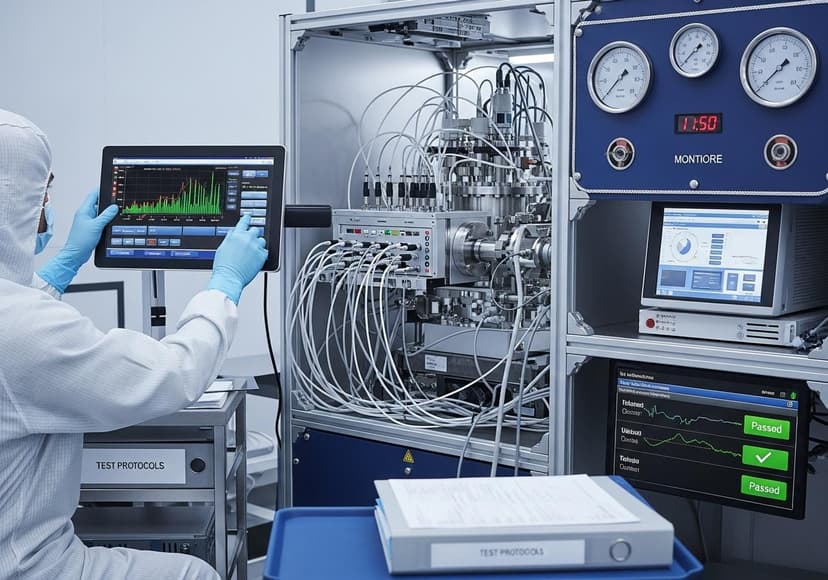
Cleanroom validation is the process of ensuring that cleanrooms and controlled environments meet the required specifications for cleanliness and contamination control. This process is essential for industries such as pharmaceuticals, biotechnology, and semiconductor manufacturing. So, what does it mean to validate a cleanroom? It involves rigorous testing and examination of the cleanroom’s equipment, procedures, and overall environment to confirm that they adhere to necessary regulatory requirements.
The aim of cleanroom validation is not only to maintain a sterile environment, but also to ensure compliance with guidelines. Validation ensures that the processes in place do not compromise the quality of the products being manufactured in these sterile environments. An effective cleanroom validation program incorporates a strong focus on quality assurance at every level of operation.
Importance of Compliance
Achieving compliance is more than just a regulatory formality; it’s about ensuring the integrity of your product and the safety of your consumers. Compliance not only secures an organization's standing within its industry but also safeguards its reputation. Proper cleanroom validation leads to successful compliance with standards set by authorities such as the FDA and ISO. Compliance demonstrates to clients and regulatory bodies that an organization is committed to maintaining the highest level of data integrity and quality.
Ensuring compliance in a cleanroom setting can lead to significant cost reductions in the long run. By adhering to validation protocols, organizations can minimize the risks of product recalls or even costly fines associated with non-compliance. A well-maintained cleanroom signifies an invested commitment to safety and quality.
The Validation Process
The cleanroom validation process generally involves three primary stages: installation qualification (IQ), operational qualification (OQ), and performance qualification (PQ). Each stage is crucial in providing a structured approach to ensure that the cleanroom meets the required standards. Conducting a thorough risk assessment forms the backbone of the validation process, identifying potential hazards and ensuring there are strategies in place to mitigate them.
Furthermore, the validation process is supported by well-documented protocols which include an audit trail. This documentation provides a clear record of all activities and changes made throughout the validation process, ensuring that data can be traced back and verified as needed. This level of security fortifies compliance and proves invaluable during audits and inspections.
Regular Testing and Monitoring
Continuous monitoring and regular testing through environmental monitoring systems is crucial in a cleanroom environment. Regular testing helps validate the ongoing functionality of the cleanroom and detects any contaminants that may affect products. This testing is paramount because it ensures that the cleanroom continues to operate within specified limits of cleanliness and contamination. Without timely interventions, the risk of further contamination and failure to meet compliance standards rises significantly.
Validation isn’t just a one-and-done task; it’s an ongoing commitment. Procedures and operations should be continuously evaluated and revalidated whenever changes are made. Each adjustment could potentially affect the environment, and maintaining air filtration systems, humidity levels, and temperature through regular checks becomes a part of an effective quality assurance effort.
Ensuring Data Integrity
In today's digital world, maintaining data integrity in a controlled cleanroom environment has become even more critical. This includes rigorous control of documents, ongoing monitoring of systems, and ensuring that all data collected is tamper-proof and auditable. Strong cybersecurity protocols help to protect sensitive information and keep the integrity of the data intact.
Implementing a quality management system (QMS) that meets these standards ensures that data is collected, recorded, and retained appropriately, allowing every aspect of the validation process to be monitored and reviewed as necessary. Keeping a tight lid on data integrity mitigates risks associated with data breaches, which can have serious repercussions for cleanroom operations.
Conclusion
Cleanroom validation is more than an operational requirement; it’s a critical aspect of maintaining high standards of safety, compliance, and quality throughout controlled environments. By rigorously following validation protocols, organizations can not only ensure regulatory compliance but also enhance their overall operational effectiveness. Investing time and resources in cleaner, validated environments is crucial for fostering a robust reputation while delivering safe, reliable products to the market.
For more information on implementing cleanroom validation procedures, you can refer to resources such as this insightful guide on how cleanrooms are validated, or visit this website to learn more about cleanroom validation methods.
Related Posts

10 Foods To Lower Your A1C
Incorporating specific foods, like those rich in fiber, can significantly help manage and decrease A1C levels effectively.

20 Article Titles For Isn Certification For Contractors
Contractors' ISNetworld certification ensures safety, compliance, and qualification, mitigating risks, and promoting worksite excellence and reliability.

20 Article Titles For Isn Certification For Contractors
ISNetworld certification ensures contractor compliance, promoting safety and reducing risks across diverse projects and industries.