
Calculating Your Monthly Mortgage Payment Guide
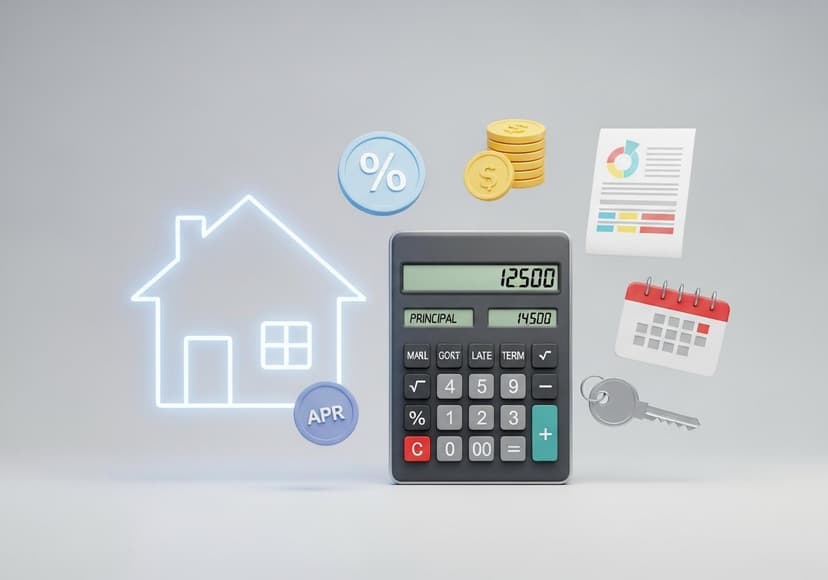
This guide simplifies calculating your house payment, covering key factors and formulas for accurate monthly mortgage estimations.
Understanding Your Monthly Mortgage Payment
When you decide to purchase a home, understanding the complexities of your monthly mortgage payment is crucial. This payment isn't just a single number; it encompasses various factors that can impact your budget. By breaking it down, you can gain control over your finances and feel more confident in your decision to take on a home loan.
What Makes Up Your House Payment?
Your house payment typically consists of the principal and interest, property taxes, and homeowners insurance. By recognizing each of these components, you’ll have a clearer picture of what to expect. The principal is the initial loan amount, while the interest reflects the cost of borrowing. This is where factors such as your credit score come into play, as higher scores can lead to better interest rates.
The Role of the Interest Rate
The interest rate you secure on your mortgage is a crucial element. It determines how much you'll pay in interest over the life of your loan. If you have a great credit score, you’re more likely to enjoy lower interest rates. That's why it's important to monitor your credit performance before applying for a mortgage. Consider using a mortgage calculator to help visualize how different interest rates will affect your monthly payments.
Understanding Principal And Interest
The term “principal and interest” refers to the combined amount you will pay each month towards both the initial loan and the interest owed on it. This calculation helps you understand your financial commitment. Ideally, you want a monthly payment that fits comfortably within your budget without sacrificing your lifestyle. If you'd like to run some numbers, check out this mortgage calculator to experiment with various loan amounts, terms, and interest rates.
The Importance of the Down Payment
A down payment is another key element in your monthly mortgage payment. This is the portion of the home’s purchase price that you pay upfront. Generally, the larger your down payment, the lower your monthly mortgage payment will be. A higher down payment also reduces your lender's risk, which can lead to a more favorable interest rate. If you’re not able to put down a substantial amount, it’s even more important to maintain a strong credit score.
Factoring in Property Taxes
Property taxes can significantly increase your monthly housing expense. These taxes are typically a percentage of your home's assessed value and can vary by location. Make sure to account for these when calculating your total monthly mortgage payment. Additionally, it's wise to consult local tax regulations to get an accurate figure. Ensure you're not caught off guard with escalating taxes once you move in.
Don’t Forget About Homeowners Insurance
Homeowners insurance is crucial to protect your investment in case of damages or unforeseen incidents. This insurance isn’t just a good idea; many lenders require it as part of the loan agreement. Like property taxes, homeowners insurance costs should be included in your monthly budget. Estimate these costs ahead of time, as they will contribute to your overall house payment.
Loan Term and Its Impact
The loan term is the length of time you have to pay off your loan, usually 15 or 30 years. A shorter loan term generally results in higher monthly payments, but you’ll pay less in interest over time. Conversely, longer terms lower your monthly payment but can significantly increase the amount of interest you’ll pay throughout your loan. Use a mortgage calculator to find the loan term that best fits your financial situation.
Annual Percentage Rate (APR)
The APR represents the true cost of borrowing over the year, including fees and other costs associated with the loan. This figure gives a clearer picture of what you'll pay as compared to just looking at the interest rate alone. Being aware of the APR allows you to compare different mortgage offers accurately. Remember, it's always wise to read the fine print before making any commitments.
Enhancing Your Credit Score
Your credit score can drastically influence your mortgage experience. Lenders will assess your score to determine your eligibility and the interest rate you’ll receive. A higher score can unlock more favorable terms, saving you thousands over time. If your score isn’t in pristine condition, focus on improving it before applying for a mortgage. Pay down debts and ensure on-time payments to see improvements.
Final Thoughts
Calculating your monthly mortgage payment involves various factors, including your down payment, loan term, interest rate, and additional costs like property taxes and homeowners insurance. By understanding these elements, you can create a realistic budget that accommodates your financial goals. With the right preparation and knowledge, you'll be well on your way to home ownership, armed with the confidence in your financial decisions. Remember to keep an eye on your credit score throughout the process!
Related Posts
21 Month 0 Percent Balance Transfer Offer
Enjoy 21 months without interest, helping you manage debt and save on interest charges.

Best Accounting Software For Mac
Good accounting software streamlines finances, offering efficient tracking, reporting, and management for businesses effectively.

Best No Annual Fee Credit Cards To Consider
Explore top-tier credit cards without annual fees, offering valuable rewards and benefits, ideal for smart spending.