
Beginners Guide To Google Analytics
Analyze website traffic effectively. Understand user behavior, track conversions, and improve overall online performance for insights.
Hey there, digital explorers! If you're venturing into the world of web analytics, you might have stumbled upon the awesome tool called Google Analytics. This guide is your trusty companion, equipped with everything you need to know as a beginner navigating the digital landscape.
What Is Google Analytics?
Google Analytics is a powerful tool that dives deep into your website's performance. Think of it as the detective of your site's data; it uncovers who your visitors are, their behavior, and how they interact with your content. With insights on website traffic, user engagement, and various metrics to track, it is a must-have for anyone serious about boosting their site’s visibility and performance.
Why You Need Web Analytics
Understanding the nuances of data analysis via web analytics can significantly impact your online strategy. Whether you’re a business owner, blogger, or marketer, the insights gained from analytics facilitate informed decisions. For instance, these tools can refine your SEO strategies through better keyword research, ensuring you target the right audience with your content.
Getting Started with Google Analytics
Setting up your Google Analytics account might sound daunting, but it’s fairly straightforward. First, head over to Google Analytics and sign up for an account. Once you have an account, you’ll need to insert a tracking code into your website. This code allows Google to monitor your site’s performance and gather valuable data.
Understanding Key Metrics
Once you’ve set up Google Analytics, it’s time to familiarize yourself with crucial metrics to watch. Here are some of the essential metrics that can empower your analytics journey:
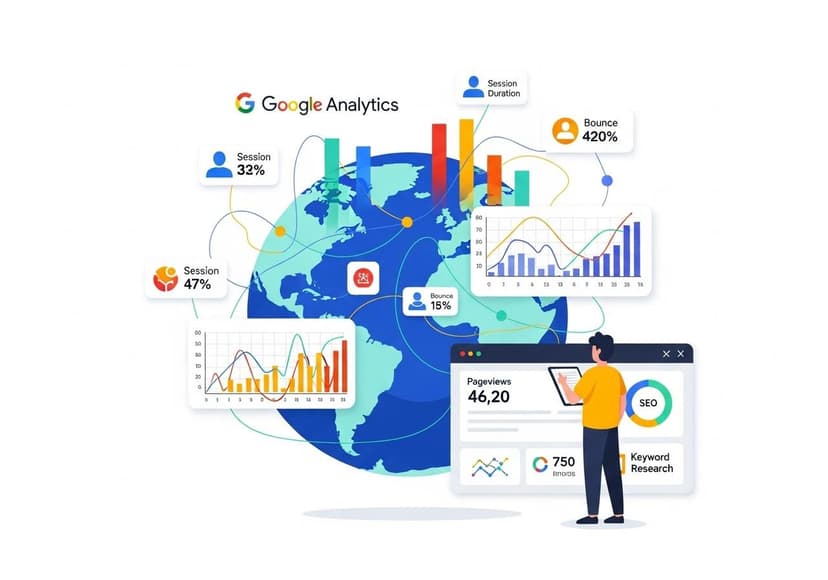
- Pageviews: This metric counts how many times a particular page is viewed. It’s essential for understanding which pages pique users’ interest.
- Bounce Rate: A high bounce rate indicates that users leave your site without engaging further. Reducing this rate can lead to improved conversion rates.
- Session Duration: The length of time a user spends on your site. Higher session durations suggest engaging content.
- Conversion Rate: This tells you the percentage of visitors completing a desired action (like making a purchase). Understanding how user behavior affects conversion can optimize your marketing efforts.
Data-Driven Decisions
Using Google Analytics for data analysis isn’t just about watching numbers; it's about making decisions based on what those numbers mean! Analyze user behavior to spot trends. Are visitors frequently exiting on a particular page? Is there a specific product page that consistently converts visitors into customers? Using these insights, tailor your content and marketing strategies accordingly.
Exploring User Behavior
Understanding user behavior is key to improving your website. With Google Analytics, you can see where users originate from, how they navigate through your site, and what content they prefer. By diving into the behavior flow report, you’ll see the path users take as they explore your site, which can help identify areas of improvement.
Optimizing Your SEO Strategy
Once you’ve grasped the basics of Google Analytics, use it to enhance your SEO strategy. Track which keywords bring in the most traffic and drive conversions. By using Google Analytics in combination with keyword research, you can fine-tune your content strategy to ensure you’re targeting valuable keywords effectively.
Utilizing Google Tag Manager
For more advanced users, integrating Google Tag Manager can facilitate better event tracking and additional functionalities. It allows you to manage javascript and HTML tags used for tracking and analytics without modifying your site code every time. If you haven’t checked it out yet, visit Google Tag Manager!
Connecting with Marketing Analytics
Ultimately, Google Analytics is a cornerstone of marketing analytics. The data you gather feeds into broader marketing strategies, helping align efforts across channels. From understanding your audience better to refining email campaigns and social media ads, analytics can boost your overall marketing efficacy.
Final Thoughts
Starting with Google Analytics is an exhilarating journey into understanding your website’s performance and user experience. Remember, the key to success lies in accessing, analyzing, and acting on your data. It’s time to dive in, explore your website traffic, and optimize your content and strategies for the better. You got this!
If you’re ready to unleash the power of Google Analytics, head over to Google Analytics and let the data exploration begin!
Related Posts

5 Ways To Improve Your Companys It Managed Services
Optimize IT managed services by focusing on automation, security, and proactive monitoring to enhance efficiency.
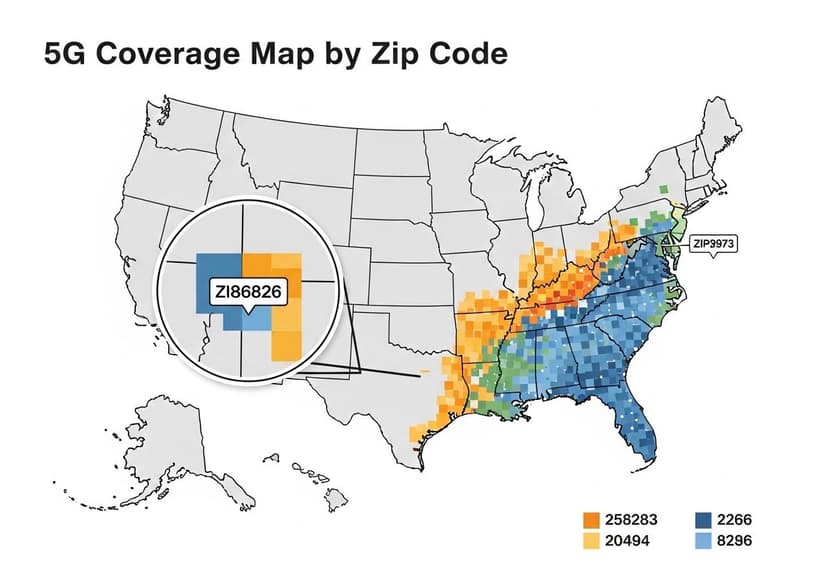
5G Coverage Map By Zip Code
Find detailed 5G coverage information by zip code, including availability and service quality.

5G Internet The Future Is Now
Enhanced speeds and connectivity redefine digital landscapes. Its impact spans industries, connecting everyone globally.