
Aortic Valve Replacement Options For Seniors
Surgical and minimally invasive procedures offer life-extending solutions for seniors facing aortic valve issues.
Understanding Aortic Valve Replacement
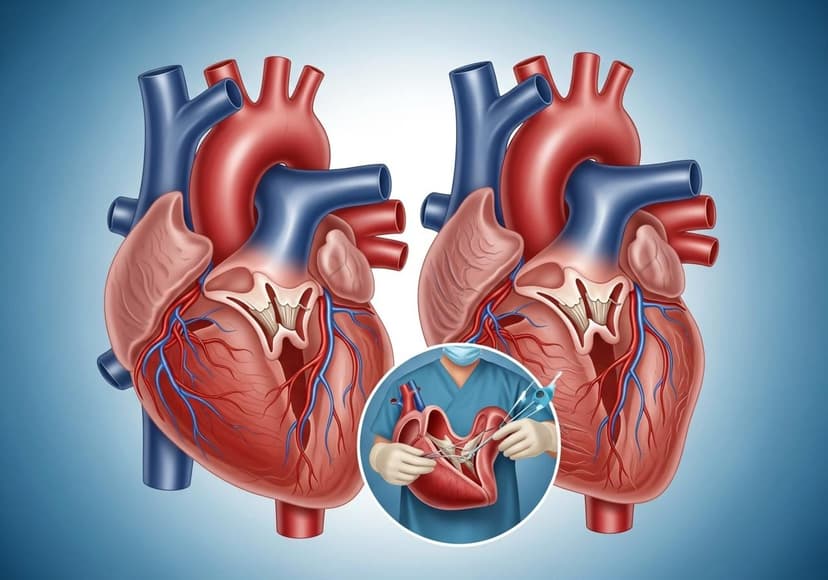
Aortic Valve Replacement (AVR) is a crucial procedure for seniors experiencing issues like aortic valve stenosis or degenerative aortic valve disease. The aortic valve, which controls blood flow from the heart to the rest of the body, can become narrowed over time, making it harder for the heart to pump blood efficiently. As this condition worsens, it can lead to serious health complications, making timely valve replacement surgery essential.
Why Seniors Need Valve Replacement Surgery
As we age, various health issues can affect the heart, particularly valves. Many seniors find themselves dealing with aortic valve stenosis, which can cause symptoms like shortness of breath, fatigue, and chest pain. The good news is that heart valve replacement surgeries, including AVR, have evolved significantly, with various options available to cater to the specific needs of the older population.
Types of Aortic Valve Replacement
There are two primary types of aortic valve replacement: surgical aortic valve replacement (SAVR) and transcatheter aortic valve replacement (TAVR). Each comes with its own set of advantages and considerations. Let's explore these options to better understand how they can benefit seniors.
Surgical Aortic Valve Replacement (SAVR)
SAVR is a traditional surgical approach that involves opening the chest to replace the damaged valve with either a bioprosthetic valve or a mechanical valve. Mechanical valves are made from durable materials and can last a lifetime, which is often appealing for younger patients. However, they require lifelong blood thinners to prevent clots, which is an important factor for seniors to consider.
On the other hand, bioprosthetic valves are made from animal tissue and generally do not require ongoing use of blood thinners, making them a favorable choice for many seniors. However, they may not last as long as mechanical valves, hence the trade-off must be carefully considered.
Minimally Invasive Aortic Valve Replacement (TAVR)
TAVR, or transcatheter aortic valve replacement, is a less invasive procedure that allows doctors to replace the aortic valve without the need for open heart surgery. Instead, a catheter is used to guide the new valve directly into the heart through a small incision. This technique is especially beneficial for seniors who may have additional health concerns that make traditional surgery riskier.
The TAVR procedure has gained popularity due to its shorter recovery time, less pain, and reduced complications associated with recovery. Patients often return to their normal activities much faster than those undergoing traditional SAVR.
Comparing SAVR and TAVR
Whether choosing SAVR or TAVR, patients and their families must weigh their options carefully. Factors such as age, overall health, and personal preferences come into play when making the decision. Most importantly, consultations with healthcare professionals are crucial in determining the most suitable option based on individual needs and conditions.
Some studies suggest that TAVR might even outperform SAVR in certain populations, particularly in patients who are at a high risk for surgery due to other health issues. Understanding all possible options can empower seniors to make informed choices about their health.
Risks and Considerations
While both surgical and minimally invasive techniques are considered safe, understanding the risks involved in each is important. Surgery, whether SAVR or TAVR, comes with potential complications such as infection, bleeding, or heart rhythm problems. However, clinical studies, such as those published in the JAMA Cardiology, have shown significant advancements in reducing these risks over time, particularly with the evolution of procedural techniques and post-operative care.
Life After Aortic Valve Replacement
After undergoing either SAVR or TAVR, patients typically notice a significant improvement in their symptoms. Most experience increased energy levels, improved quality of life, and a restored sense of normalcy. Regular follow-ups with healthcare providers are essential to monitor their condition and ensure optimal heart health.
Additionally, lifestyle changes such as diet modifications, exercise, and adhering to treatment regimens (including medication) play a critical role in ensuring the longevity of the new valve and overall heart function.
Conclusion
Aortic valve replacement, including SAVR and TAVR, offers a beacon of hope for seniors suffering from aortic valve stenosis and degenerative aortic valve disease. With advancements in medical technology and innovative surgical techniques, seniors are finding better outcomes and improved quality of life.
As always, the decision to undergo aortic valve replacement should be made in consultation with healthcare professionals, considering the specific needs and health complexities of the individual. By exploring all available options, seniors can confidently navigate their journey towards cardiovascular health.
Related Posts

4Patriots Senior Discount Save Today
Seniors can find the best deals by using the 4Patriots discount code, offering considerable savings on emergency preparedness supplies.

4Patriots Senior Discount Save Today
Seniors can find savings and discounts on 4Patriots products. Use the code for great deals today.

55+ Senior Living A Guide To Retirement
Exploring 55+ senior living options, communities, and amenities, offering guidance for an enriching and fulfilling retirement.