
Air Pressure Test Basics
Testing air pressure ensures system integrity. Proper tests detect leaks, guaranteeing optimal functionality and performance.
What is Air Pressure Testing?
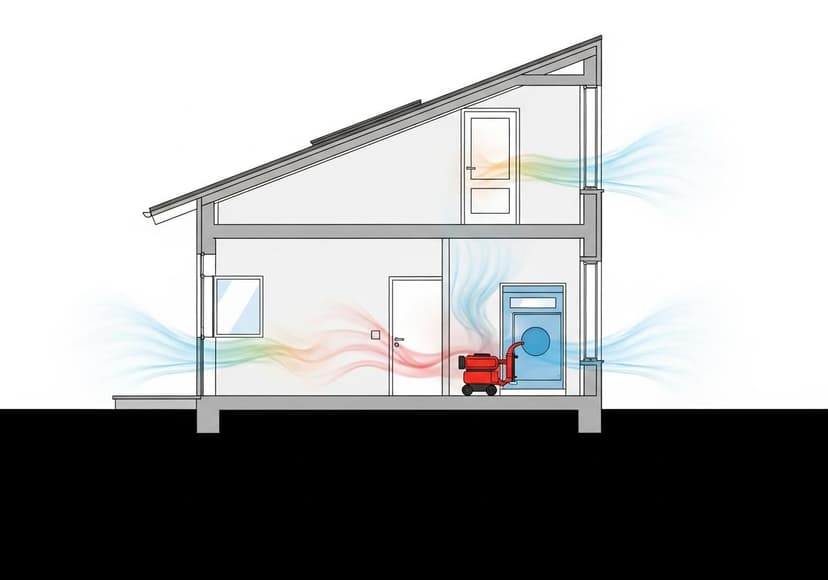
Air pressure testing is a crucial method used to evaluate the air tightness of buildings and duct systems. It helps identify leaks and assess the overall efficiency of HVAC systems. In essence, air pressure testing ensures that buildings remain energy-efficient, providing comfort to occupants while minimizing energy costs. By conducting tests such as the Pressure Decay Test or the Blower Door Test, professionals can pinpoint areas in a structure where air escapes or infiltrates, indirectly impacting its energy performance.
Understanding the Different Tests
Several types of air pressure tests are commonly used. Among them, the Blower Door Test is perhaps the most well-known. This test uses a large fan mounted on the door frame to measure the air flow and pressure changes within a building. For more detailed information on the Blower Door Test, you can follow this link.
The Importance of Leak Detection
Leak detection is at the heart of air pressure testing. When air leaks through unsealed joints, cracks, or poorly insulated areas, it can lead to substantial energy loss. Identifying these air leaks allows builders and HVAC technicians to make necessary adjustments before sealing up a building. The process of Air Leakage Testing not only helps improve energy efficiency but also enhances indoor air quality by reducing unwanted infiltration of pollutants.
Pressure Decay Test Explained
The Pressure Decay Test is a specific technique focused on measuring how much air pressure decreases over a set period. This method is particularly useful for assessing the integrity of ductwork in HVAC systems. By injecting air into the ducts and observing how quickly pressure drops, technicians can determine the presence and severity of leaks, guiding repairs where necessary.
Building Envelope Testing
One essential aspect of air pressure testing is Building Envelope Testing. This comprehensive evaluation looks at the entire exterior of a building, including walls, roofs, and foundations. It aims to assess how effectively the building can retain conditioned air and keep out unwanted drafts. By conducting thorough testing, builders can ensure they meet local building codes and enhance the overall performance of the building envelope.
Duct Leakage Test
A Duct Leakage Test focuses specifically on the air distribution system within a building. Leaks in ducts can lead to significant energy losses and reduced system efficiency. By utilizing specialized Pressure Testing Equipment, technicians can identify leaks and provide solutions to improve performance. This testing is critical for comfort and operational efficiency in residential and commercial buildings.
HVAC System Testing
HVAC System Testing involves evaluating and ensuring that heating, ventilation, and air conditioning systems operate effectively and efficiently. Proper air pressure testing is integral to this process, as it influences not just comfort levels but also energy consumption. A well-sealed system enhances airflow, reduces energy bills, and prolongs the lifespan of HVAC equipment.
Infiltration and Exfiltration Testing
Another layer to consider in air pressure testing is Infiltration Testing and Exfiltration Testing. Infiltration refers to unwanted outside air entering a building while exfiltration refers to conditioned indoor air escaping. Both can cause discomfort, reduce energy efficiency, and lead to increased utility costs. Testing for both can help create a balanced environment, promoting energy savings and comfort.
Benefits of Air Tightness Testing
The benefits of conducting air tightness testing go beyond just saving energy. Proper tests can lead to improved indoor air quality, fewer drafts, reduced moisture accumulation, and increased comfort for building occupants. The initial investment in pressure testing equipment typically pays for itself over time through energy savings and increased property value.
Conclusion: Why You Should Invest in Pressure Testing
In conclusion, effective air pressure testing is indispensable for modern buildings. Whether you're a contractor, architect, or homeowner, understanding the basics of air pressure testing helps you appreciate its essential role in energy efficiency and comfort. Armed with the right Pressure Testing Equipment, professionals can deliver outcomes that ensure buildings perform optimally. If you're interested in diving deeper into air pressure testing, check out this informative article on Air Pressure Testing.
Related Posts

10 Stylish Kitchen Designs
Explore modern kitchen designs with innovative layouts, stylish storage, and functional features for culinary creativity.

3D Remodeling Tools An Overview
Tools facilitate creating, modifying, and optimizing 3D models across industries, encompassing various applications and workflows.

A Short Guide To Selling Your Home Without An Agent
Learn to sell your home independently by understanding steps, marketing, and legal requirements for success.